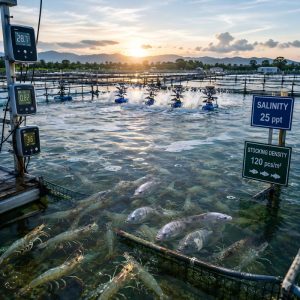
Managing Environmental Stress in Aquaculture Production Systems
Key Insights Environmental stress in aquaculture is one of the most significant hidden drivers of performance variability in modern production systems. In fish farming and

Key Insights Environmental stress in aquaculture is one of the most significant hidden drivers of performance variability in modern production systems. In fish farming and
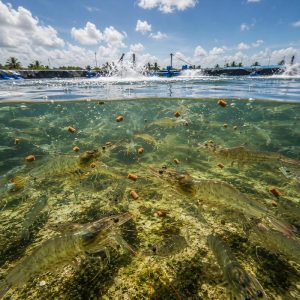
Key Insights Modern shrimp farming systems operate under increasing biological and environmental pressure. High stocking densities, fluctuating water quality, alternative feed ingredients, and disease challenges
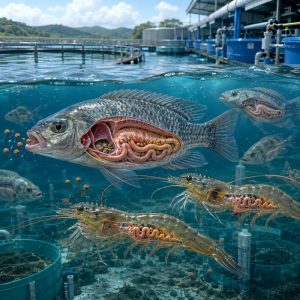
Executive Summary Digestive stability is a critical factor influencing feed utilization, growth consistency, and overall production efficiency in modern aquaculture systems. Fish and shrimp are
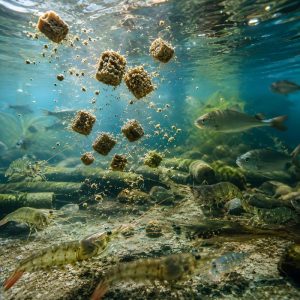
Key Insights Modern aquaculture systems operate under increasing pressure from feed cost volatility, environmental fluctuations, disease challenges, and the growing use of alternative protein sources.
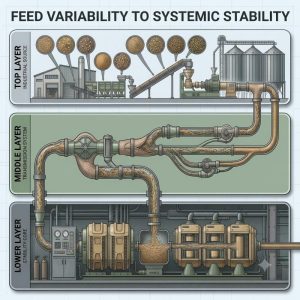
Key Insights Feed variability is becoming a major challenge in modern livestock production due to fluctuating ingredient quality, forage inconsistency, and changing feed processing conditions.
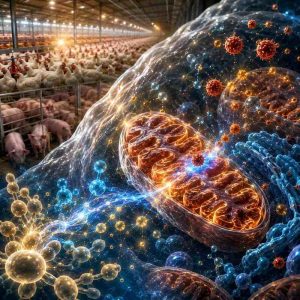
Key Insights Oxidative stress is becoming increasingly common in modern livestock systems due to higher metabolic intensity, stocking density, and environmental fluctuations. Excess reactive oxygen
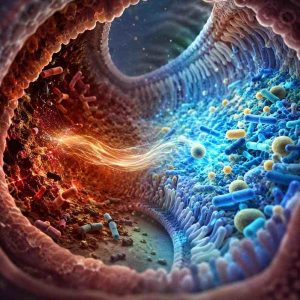
Key Insights AGPs historically improved feed efficiency by suppressing microbial competition and lowering metabolic inflammatory pressure inside the gut ecosystem. Antibiotic-free production systems often experience
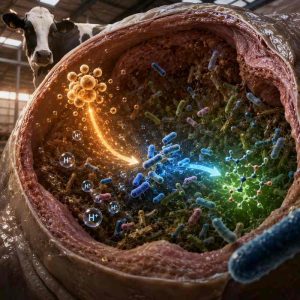
Key Insights Rumen pH stability is closely linked to the efficiency of lactate utilization inside the rumen ecosystem. Yeast culture does not function as a
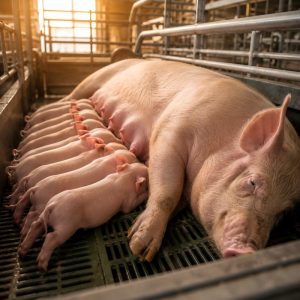
Key Insights Lactation feed intake directly affects sow productivity, piglet performance, and long-term reproductive stability. Yeast culture for reproductive sows supports digestive consistency and more