
Executive Summary
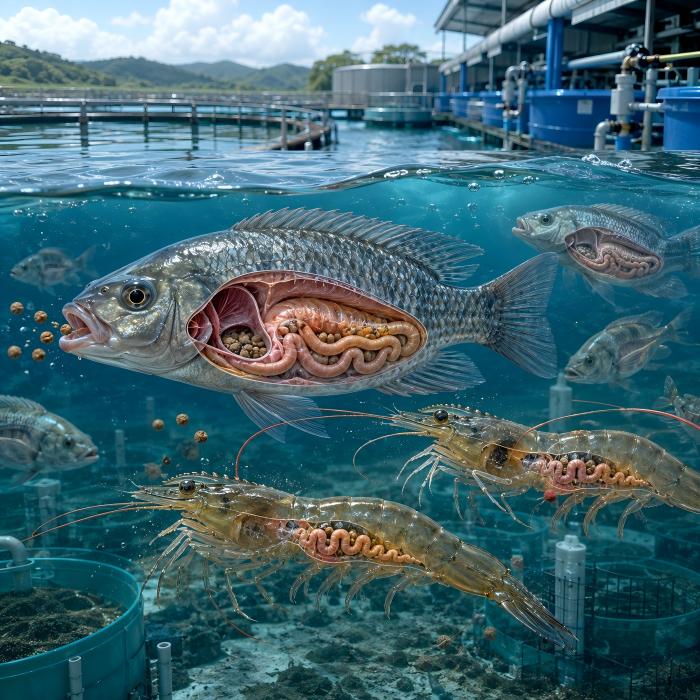
Digestive stability is a critical factor influencing feed utilization, growth consistency, and overall production efficiency in modern aquaculture systems. Fish and shrimp are frequently exposed to dietary changes, environmental fluctuations, and production stressors that can disrupt normal digestive processes.
- Digestive stability plays a central role in maintaining consistent nutrient utilization in aquatic species.
- Environmental stress, feed transitions, and alternative ingredients can challenge normal digestive function.
- Yeast culture provides fermentation-derived metabolites that help support microbial balance and digestive resilience.
- Maintaining a stable digestive environment may contribute to more consistent production outcomes in both fish and shrimp farming.
Why Digestive Stability Matters in Modern Aquaculture
Modern aquaculture production has become increasingly intensive. Producers are expected to achieve high growth rates, efficient feed conversion, and predictable harvest performance while managing fluctuating environmental conditions and evolving feed formulations.
Unlike terrestrial livestock, many aquatic species live in direct contact with their surrounding environment. Changes in water quality, temperature, salinity, stocking density, or feed composition can quickly influence digestive performance and nutrient utilization.
When digestive stability is compromised, producers may observe inconsistent feed intake, reduced nutrient utilization efficiency, greater production variability, and increased vulnerability during periods of stress.
Common Challenges Affecting Digestive Stability
| Production Challenge | Digestive or Physiological Disruption | Potential Production Consequence |
|---|---|---|
| Rapid feed transitions | Reduced synchronization between digestive enzymes and nutrient availability | Less consistent feed utilization and variable growth performance |
| Salinity or temperature fluctuations | Physiological stress affecting digestive activity and gut stability | Temporary feed intake reduction and performance variability |
| Alternative protein inclusion | Increased exposure to anti-nutritional compounds that may affect intestinal integrity | Digestive inconsistency and nutrient utilization challenges |
| High stocking density | Environmental stress that may influence gut barrier function and microbial balance | Greater production variability and reduced resilience during stress periods |
As aquaculture systems continue to intensify, supporting digestive stability has become an important nutritional objective rather than simply a health consideration.
Understanding Digestive Stability in Fish and Shrimp
Digestive stability refers to the ability of an animal to maintain consistent digestive function, nutrient utilization, and microbial balance despite changes in feed ingredients, environmental conditions, or production challenges.
In practical aquaculture operations, digestive stability is often associated with:
- Consistent feed intake
- Efficient digestion and absorption
- Balanced intestinal microbial populations
- Reduced performance fluctuations during stress periods
- More predictable production outcomes
For fish and shrimp producers, digestive stability is not simply the absence of digestive disorders. Instead, it reflects the ability of the digestive system to remain functional and resilient under changing production conditions.
For a broader overview of nutritional applications across fish and shrimp production systems, our comprehensive guide to yeast culture for aquaculture explains how fermentation-derived ingredients are used across modern aquatic production lines..
How Yeast Culture Supports Digestive Stability
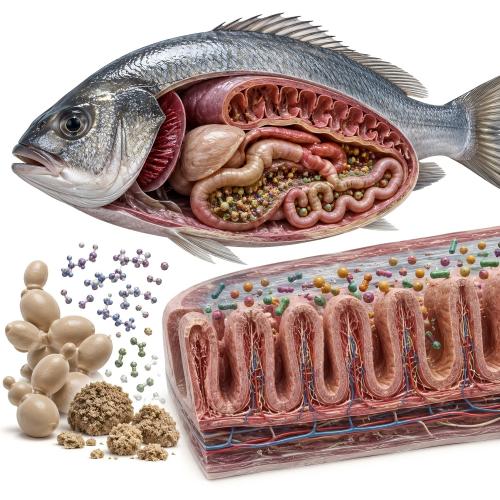
Yeast culture for aquaculture is produced through controlled fermentation processes that generate a complex mixture of fermentation metabolites, bioactive compounds, and nutritional factors.
Rather than functioning solely as a microbial ingredient, yeast culture delivers fermentation-derived components that may help support digestive function and microbial balance.
Supporting Beneficial Microbial Balance
The digestive tract of aquatic species contains a diverse microbial ecosystem that plays an important role in digestion, nutrient utilization, and intestinal function.
Environmental stress, feed transitions, and production challenges can alter this microbial ecosystem, potentially affecting digestive consistency.
The fermentation metabolites present in yeast culture may help support a favorable intestinal environment that encourages microbial stability. Maintaining a balanced digestive ecosystem can be particularly important during periods of nutritional or environmental stress.
A stable microbial community is often associated with improved digestive resilience and more consistent nutrient utilization across production cycles.
Providing Bioactive Fermentation Compounds
Unlike terrestrial livestock, many aquatic species possess relatively short digestive tracts and digestive systems that can be more sensitive to feed composition changes and environmental stressors.
Yeast culture contains a complex mixture of fermentation-derived metabolites, including:
- Nucleotides
- Small peptides
- Organic acids
- Vitamins
- Fermentation-derived growth factors
These compounds may help support the intestinal environment by providing readily available nutritional factors that complement normal digestive processes.
During periods of feed transition, ingredient reformulation, seasonal changes, or environmental fluctuations, these bioactive compounds can contribute to maintaining digestive consistency and supporting nutrient utilization.
Rather than serving as a direct nutrient replacement, yeast culture functions as a source of fermentation metabolites that help support digestive resilience, intestinal stability, and microbial balance within modern aquaculture systems.
Supporting Digestive Function During Stress
Stress is an unavoidable part of commercial aquaculture production.
Common stressors include:
- Stocking density increases
- Water quality fluctuations
- Temperature changes
- Salinity variation
- Feed ingredient transitions
- Transportation and handling
During these periods, digestive performance often becomes less predictable.
The bioactive components produced during yeast fermentation may help support digestive activity and intestinal stability when animals are exposed to production-related stressors.
As a result, producers may observe more consistent feeding behavior and reduced variability in nutrient utilization during challenging production periods.
Potential Benefits Observed in Aquatic Production
The impact of digestive stability extends beyond the digestive tract itself. A more stable digestive environment can influence several areas of production performance.
The following outcomes are commonly associated with improved digestive consistency:
| Aquaculture Challenge | How Yeast Culture May Help |
|---|---|
| Feed transitions | Supports digestive consistency during dietary changes |
| Environmental stress | Helps maintain a stable intestinal environment |
| Alternative ingredients | Supports nutrient utilization under variable feed formulations |
| High production intensity | Helps sustain digestive resilience and microbial balance |
In practical production settings, producers may observe:
| Production Area | Potential Outcome |
|---|---|
| Feed intake | More consistent feeding behavior |
| Nutrient utilization | Improved digestive efficiency |
| Gut environment | Greater digestive stability |
| Production consistency | Reduced performance variability |
| Stress resilience | Better adaptation during production challenges |
While results vary according to species, management practices, and feed formulations, maintaining digestive stability remains an important objective across modern aquaculture systems.
Application Scenarios in Aquaculture
The benefits of supporting digestive stability can be relevant throughout multiple production stages.
Shrimp Production
Shrimp are frequently exposed to environmental fluctuations and water quality challenges that can influence digestive performance.
Yeast culture is commonly considered during:
- Nursery stages
- Early growth phases
- Feed transitions
- Seasonal environmental changes
- Intensive production systems
Supporting digestive stability during these periods may contribute to more consistent growth performance and feed utilization.
Fish Farming
Many commercial fish species encounter similar digestive challenges, particularly when exposed to changing environmental conditions or alternative feed ingredients.
Potential application areas include:
- Tilapia farming
- Carp production
- Catfish production
- Marine fish systems
- Recirculating aquaculture systems (RAS)
As feed formulations continue evolving, maintaining digestive resilience becomes increasingly important for efficient nutrient utilization.
Stress-Prone Production Periods
Certain periods create a greater risk of digestive disruption.
Examples include:
- Feed reformulation programs
- Seasonal temperature changes
- Transportation events
- Stocking density adjustments
- Disease challenge periods
Nutritional strategies that support digestive stability may help producers manage these transitions more effectively.
Choosing a Yeast Culture Solution for Aquatic Nutrition
Not all yeast-derived products are the same.
When evaluating a yeast culture supplier or fermentation-based nutritional solution, producers should consider several factors:
- Fermentation process consistency
- Quality control systems
- Metabolite concentration and stability
- Species-specific application data
- Manufacturing experience
- Technical support capabilities
A well-produced Saccharomyces cerevisiae culture should deliver consistent fermentation-derived metabolites capable of supporting digestive function across varying production conditions.
As aquaculture nutrition becomes increasingly sophisticated, product consistency is often just as important as ingredient selection.
Conclusion
Maintaining digestive stability in aquatic species is essential for achieving consistent feed utilization, predictable growth performance, and greater production resilience.
Fish and shrimp are routinely exposed to environmental fluctuations, dietary changes, and production stressors that can challenge digestive function. Supporting the digestive system during these periods has become a key objective for modern aquaculture operations.
By providing fermentation-derived metabolites that help support microbial balance, intestinal function, and digestive resilience, yeast culture for aquaculture represents a practical nutritional strategy for producers seeking more stable production outcomes under diverse farming conditions.
To learn more about species-specific applications and nutritional strategies, explore our Aquaculture Solutions Page and discover how fermentation-based technologies are being applied across modern aquaculture systems.