What Feed Companies Should Check Before Buying Yeast Culture
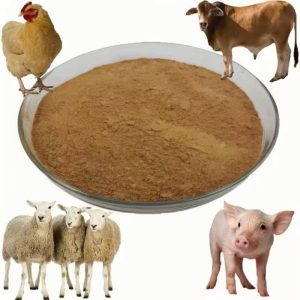
Key Insights When buying yeast culture for animal feed production, feed companies should evaluate more than product price, yeast count, or basic nutrient specifications. The

Key Insights When buying yeast culture for animal feed production, feed companies should evaluate more than product price, yeast count, or basic nutrient specifications. The

A Practical Purchasing Checklist for Reliable Feed Additive Selection When purchasing yeast culture for animal feed, feed companies should evaluate more than product price or

Choosing the right yeast culture manufacturer is a critical decision for feed companies, distributors, and animal nutrition brands. Unlike purchasing a standard feed ingredient, selecting

Executive Summary The hepatopancreas is the metabolic center of shrimp, controlling digestion, nutrient absorption, energy storage, and detoxification. Poor hepatopancreas health in shrimp reduces the

Key Insights Intensive RAS aquaculture systems create continuous digestive challenges caused by high stocking density, intensive feeding, and environmental fluctuations. Maintaining digestive stability in RAS

Key Insights Biofloc aquaculture systems rely on microbial nutrient recycling instead of traditional water exchange, creating a unique nutritional environment. Intensive biofloc shrimp farming requires

Key Insights Nutrient leaching in aquaculture feed reduces the digestible protein, energy, and functional compounds available when fish or shrimp consume the pellet. Lost nutrients

Key Insights Water-quality stress reduces feed efficiency even when feed formulation and feeding rate remain unchanged. Ammonia accumulation, low dissolved oxygen, temperature shifts, and salinity

Key Insights Alternative protein diets in aquaculture change protein-release speed, enzyme demand, and nutrient retention—not only feed cost. When alternative proteins exceed digestive tolerance, undigested