
Choosing the right yeast culture manufacturer is a critical decision for feed companies, distributors, and animal nutrition brands. Unlike purchasing a standard feed ingredient, selecting a yeast culture supplier requires evaluating fermentation capability, product consistency, quality control systems, and long-term supply reliability.
A reliable manufacturer should not only provide a product specification sheet but also demonstrate the ability to produce consistent batches, maintain quality standards, and support customers with technical documentation and application knowledge.
Key Considerations When Selecting a Yeast Culture Manufacturer
- Fermentation technology determines whether the product delivers consistent functional components beyond basic yeast biomass.
- Batch-to-batch consistency directly affects feed formulation stability and customer satisfaction.
- Quality control systems help verify product safety, stability, and manufacturing reliability.
- Technical support and export capability influence long-term cooperation success.
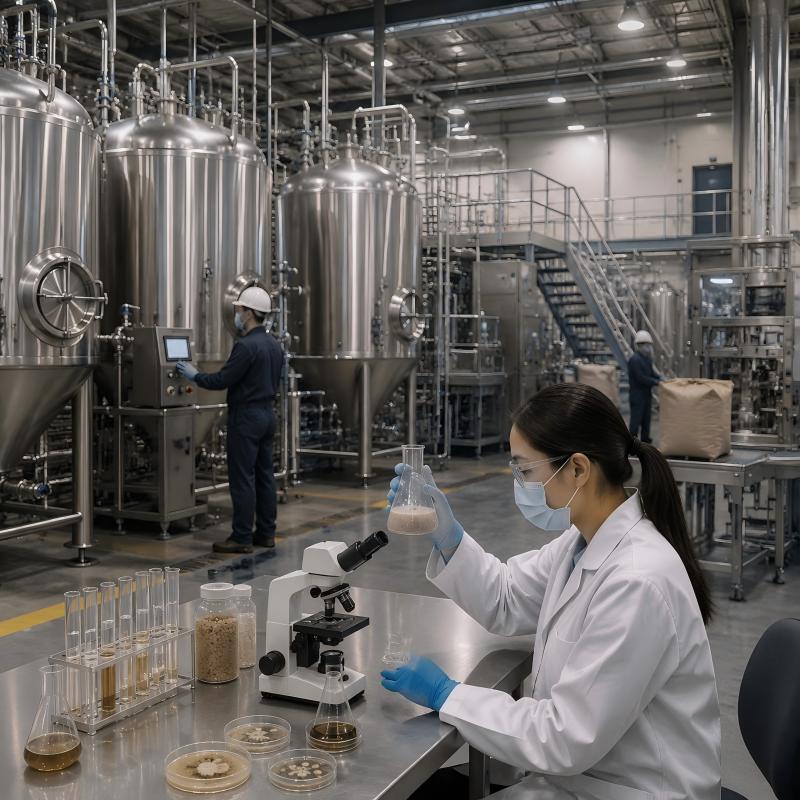
Why Choosing the Right Manufacturer Matters
For feed manufacturers and distributors, selecting a yeast culture supplier is not only a purchasing decision. It is also a risk management decision.
Yeast culture products are produced through biological fermentation processes. Differences in raw materials, fermentation conditions, processing controls, and quality testing can create variations between production batches.
For companies incorporating yeast culture into commercial feed programs, inconsistent product quality can lead to:
- Unstable feed formulation performance
- Difficulties maintaining product consistency for customers
- Increased technical service requirements
- Higher risk of customer complaints
- Reduced confidence in the ingredient supplier
A supplier that offers a competitive price but lacks manufacturing control may create hidden costs throughout the supply chain.
The Hidden Costs of Inconsistent Yeast Culture Quality
When evaluating a feed additive manufacturer, buyers should consider the long-term impact of product consistency rather than only the initial purchase price.
| Quality Risk | Potential Business Impact |
|---|---|
| Batch variation | Different production lots may deliver inconsistent application results |
| Limited fermentation control | Functional characteristics may fluctuate between batches |
| Poor raw material traceability | Difficult to identify the source of quality changes |
| Incomplete quality testing | Increased risk during customer audits or regulatory reviews |
| Lack of technical support | More challenges when solving application issues |
For feed mills and distributors, consistency is especially important because their customers expect stable feed performance across different production cycles.
A reliable yeast culture manufacturer should have clear production procedures, quality verification methods, and documentation systems that support every batch delivered.
What Makes a Reliable Yeast Culture Manufacturer?
A trustworthy supplier should be evaluated based on manufacturing capability rather than product claims alone.
Many buyers focus on basic specifications such as yeast count or nutritional values. However, yeast culture is a fermentation-derived ingredient, and its performance characteristics depend heavily on how the product is produced.
The key question is:
Can the manufacturer consistently reproduce the same product quality at commercial scale?
Several factors should be considered before establishing a long-term supply relationship.
Five Key Factors to Evaluate a Yeast Culture Manufacturer
When selecting an animal feed yeast culture manufacturer, buyers should look beyond product price and basic specifications. A reliable supplier should demonstrate strong control over fermentation processes, quality consistency, and customer support.
The following five factors provide a practical framework for evaluating potential suppliers.
1. Fermentation Technology and Production Control
Fermentation capability is one of the most important differences between yeast culture manufacturers.
Yeast culture is not simply a yeast biomass product. The fermentation process influences the production of functional components, including metabolites, peptides, organic acids, and other fermentation-derived compounds that contribute to the final product characteristics.
When evaluating a yeast culture factory, buyers should understand:
| Evaluation Point | Why It Matters |
|---|---|
| Fermentation process design | Determines product characteristics and consistency |
| Strain selection and management | Supports stable production performance |
| Fermentation condition control | Reduces variation between batches |
| Downstream processing | Influences product stability and shelf life |
A manufacturer with controlled fermentation technology can better maintain product consistency compared with suppliers that mainly focus on basic yeast processing or simple biomass production.
For feed companies, this difference matters because consistent ingredient quality helps maintain predictable feed formulation and application results.
2. Batch Consistency and Quality Reproducibility
One of the biggest concerns when purchasing biological feed ingredients is the difference between the first sample and future commercial shipments.
A supplier may provide a high-quality sample, but the real test is whether the manufacturer can reproduce the same quality across multiple production batches.
A professional yeast culture supplier should have systems covering:
| Quality Management Practice | Purpose |
|---|---|
| Raw material traceability | Helps identify and control quality variation sources |
| Standardized production procedures | Ensures repeatable manufacturing processes |
| Fermentation monitoring | Maintains stable production conditions |
| Batch testing records | Provides verification for every shipment |
| Retained samples | Supports future quality review |
For distributors and feed manufacturers, batch consistency is directly connected to customer trust. If product performance changes between shipments, downstream customers may question both the ingredient and the supplier relationship.
3. Quality Control System and Product Verification
A reliable feed additive manufacturer should have a comprehensive quality control system rather than relying on only basic physical testing.
Quality verification should cover both product safety and functional consistency.
| Quality Test | Why It Matters |
|---|---|
| Moisture content | Supports storage stability and product handling |
| Nutritional composition | Maintains formulation accuracy |
| Microbiological safety | Ensures feed safety requirements |
| Heavy metals testing | Supports regulatory compliance |
| Mycotoxin analysis | Reduces contamination risks |
| Functional component evaluation | Helps verify product consistency |
For international buyers, quality documentation is also an important part of supplier evaluation.
Before placing bulk orders, buyers should confirm whether the manufacturer can provide:
- Product specifications
- Certificate of Analysis (COA)
- Quality control records
- Storage and transportation recommendations
- Regulatory documents required for export markets
A manufacturer with transparent quality systems provides greater confidence for long-term cooperation.
4. Technical Support and Application Knowledge
A reliable yeast culture manufacturer should provide more than product supply.
Feed companies often need support with:
- Product positioning
- Application recommendations
- Feed formulation considerations
- Customer technical communication
- Trial evaluation support
This is particularly important because yeast culture products are used across different animal production systems, including poultry, swine, ruminants, and aquaculture.
A manufacturer with practical application knowledge can help customers select suitable products for different production systems instead of treating yeast culture as a standard commodity ingredient. For example, poultry applications often focus on gut health and feed efficiency, while ruminant applications require a deeper understanding of rumen fermentation and microbial balance.
5. Supply Capability and Export Experience
For international buyers, manufacturing capability is only one part of supplier evaluation. Reliable delivery and export support are equally important.
A professional yeast culture factory should be able to demonstrate:
| Supply Capability | Why It Matters |
|---|---|
| Stable production capacity | Supports long-term purchasing plans |
| Consistent inventory management | Reduces supply interruption risks |
| Export documentation experience | Simplifies international transactions |
| Packaging flexibility | Supports distributor and OEM requirements |
| Communication efficiency | Improves cooperation reliability |
For distributors building their own animal nutrition product portfolio, supplier stability directly affects market reputation.
A manufacturer that can maintain consistent production and provide responsive support becomes a long-term business partner rather than only an ingredient source.
Manufacturer vs Trader: What Buyers Should Know
When sourcing yeast culture from China or overseas markets, many buyers face a common challenge: identifying whether they are working directly with a manufacturer or through a trading company.
Both business models can provide products, but they differ significantly in production control, technical support, and long-term cooperation capability.
For feed manufacturers and distributors, understanding these differences helps reduce supply risks.
| Evaluation Factor | Direct Manufacturer | Trading Company |
|---|---|---|
| Production control | Direct control over fermentation and processing | Depends on external factories |
| Batch traceability | Complete production records available | Often limited to supplier information |
| Factory audit support | Can provide factory visits or remote audits | Usually limited |
| Product customization | More flexibility for formulation and packaging adjustments | Depends on factory relationship |
| Technical support | Direct access to production and R&D teams | Often focused on communication and logistics |
| Quality documentation | Direct access to production-related records | May require additional coordination |
| Long-term supply planning | Better visibility of production capacity | Depends on upstream suppliers |
For companies developing a long-term animal nutrition business, working with a manufacturer can provide better control over quality consistency, product development, and supply stability.
However, buyers should evaluate suppliers based on actual capabilities rather than simply relying on the word “factory” in company descriptions.
Supplier Verification Checklist Before Placing a Bulk Order
Before establishing cooperation with a yeast culture supplier, buyers should complete a basic evaluation process.
A professional supplier should be able to answer the following questions clearly:
| Verification Question | Why It Matters |
|---|---|
| Where is the product manufactured? | Confirms actual production capability |
| Can you provide product specifications and COA samples? | Verifies quality documentation |
| How do you control batch consistency? | Evaluates manufacturing reliability |
| What quality tests are performed before shipment? | Confirms product safety control |
| Can you provide technical application information? | Supports customer development |
| Do you have export experience? | Reduces international purchasing risks |
| Can you support OEM or customized requirements? | Determines long-term cooperation potential |
A reliable supplier should be transparent about manufacturing processes, quality standards, and supply capability.
For buyers, the goal is not simply finding the lowest-cost ingredient supplier. The goal is finding a partner that can consistently deliver reliable products as business volume grows.
Why Challenge Group Focuses on Manufacturing Consistency
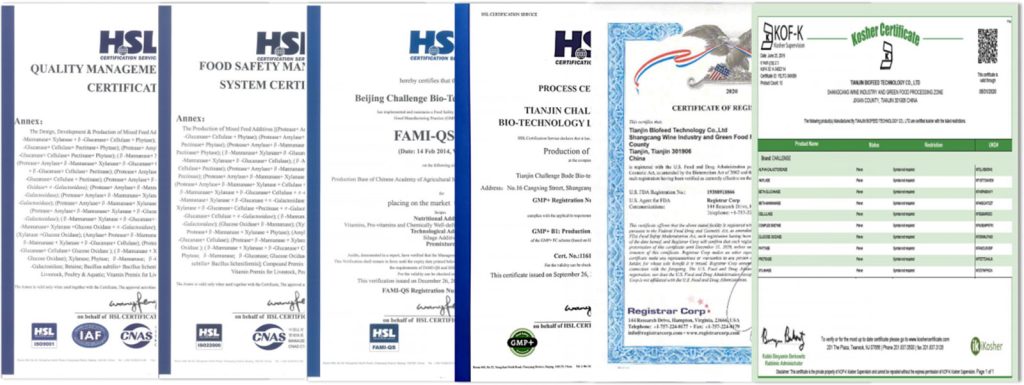
Challenge Group has focused on fermentation-based animal nutrition solutions, supporting feed companies, distributors, and animal production businesses in global markets.
As a yeast culture manufacturer, our focus is built around three core principles:
Consistent Manufacturing Process
Stable product quality begins with controlled fermentation processes, standardized production procedures, and continuous quality monitoring.
Quality-Focused Production Management
Each production batch is evaluated through quality control procedures to ensure product specifications and supply consistency.
Long-Term Customer Support
Beyond supplying feed ingredients, we work with partners on product selection, technical communication, and application requirements.
For companies evaluating a reliable animal feed yeast culture manufacturer, key supplier considerations should include manufacturing capability, quality systems, technical support, and long-term cooperation potential.
Frequently Asked Questions About Choosing a Yeast Culture Manufacturer
What should I look for in a yeast culture manufacturer?
A reliable manufacturer should demonstrate fermentation capability, batch consistency, quality control systems, technical support, and stable supply capacity. Price should be considered together with overall supplier reliability.
Why is fermentation technology important for yeast culture products?
Fermentation technology affects the characteristics and consistency of yeast culture products. Controlled fermentation processes help manufacturers maintain stable product quality between batches.
Should I choose a yeast culture factory or a trading company?
Both can supply products, but direct manufacturers usually provide better visibility into production processes, quality control, customization options, and long-term supply planning.
What quality documents should a yeast culture supplier provide?
Common documents include product specifications, Certificate of Analysis (COA), quality test reports, storage recommendations, and export-related documentation.
Can yeast culture manufacturers provide OEM services?
Many manufacturers can support OEM cooperation, including customized packaging, product specifications, and distributor-oriented solutions. Buyers should confirm the manufacturer’s production capability and flexibility before cooperation.
How can I verify a supplier before placing a large order?
Buyers should review product documentation, evaluate quality systems, request samples for testing, understand production capability, and confirm technical support availability before making a long-term purchasing decision.
Conclusion: Choosing the Right Partner for Long-Term Supply
Selecting a yeast culture manufacturer is not only about purchasing a feed ingredient. It is about choosing a supplier that can support consistent product quality, stable supply, and long-term business growth.
For feed companies and distributors, the most reliable evaluation criteria include:
- Controlled fermentation technology
- Consistent batch quality
- Transparent quality control systems
- Technical application support
- Stable manufacturing and export capability
A manufacturer with these capabilities can help reduce supply risks and build stronger partnerships throughout the animal nutrition supply chain.
Challenge Group welcomes cooperation with feed companies, distributors, and animal nutrition partners worldwide. Contact us to discuss product specifications, samples, and cooperation opportunities.