
Key Insights
- AGPs historically improved feed efficiency by suppressing microbial competition and lowering metabolic inflammatory pressure inside the gut ecosystem.
- Antibiotic-free production systems often experience microbial instability, endotoxin fluctuation, and reduced ecological resilience after AGP removal.
- Yeast culture supports competitive exclusion and microbial continuity through fermentation metabolites and functional yeast cell wall components.
- Unlike antibiotics, yeast culture helps stabilize microbial ecology without creating resistance pressure or ecological disruption.
Introduction
The transition toward antibiotic-free animal production is not simply the removal of antibiotics from feed programs.
It represents a fundamental shift in how microbial ecology is managed inside modern livestock systems.
For decades, Antibiotic Growth Promoters (AGPs) helped maintain production efficiency by suppressing microbial competition, lowering inflammatory pressure inside the gut wall, and reducing intestinal maintenance energy costs.
Once AGPs are removed, however, microbial ecosystems often become more sensitive to stress, ingredient variability, and opportunistic bacterial expansion.
As a result, modern feed programs are increasingly shifting away from direct bacterial suppression strategies and toward microbial ecosystem stabilization approaches.
For feed manufacturers seeking more resilient nutritional programs, Saccharomyces cerevisiae culture solutions designed for microbial stability support are increasingly being integrated into long-term formulation strategies.
What Is the “Microbial Vacuum” After AGP Removal?
Definition Block
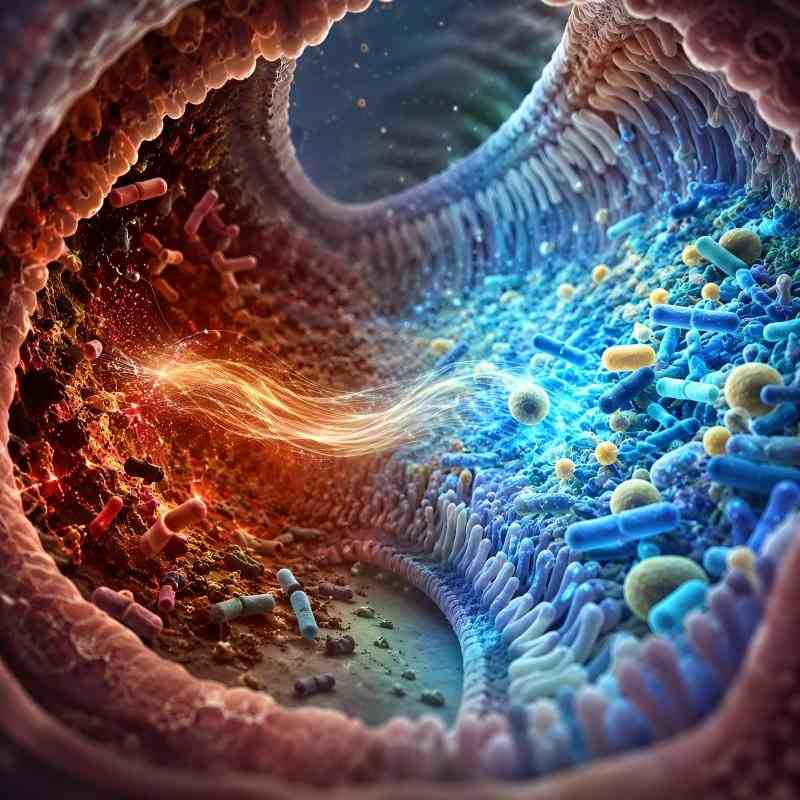
When Antibiotic Growth Promoters (AGPs) are eliminated, the ecological niches they previously suppressed are suddenly reopened.
Without proactive microbial stabilization strategies, fast-replicating opportunistic bacteria often occupy these spaces faster than beneficial commensal flora, increasing endotoxin exposure, microbial instability, and subclinical inflammatory pressure inside the gastrointestinal ecosystem.
This phenomenon is commonly referred to as the “microbial vacuum” effect in antibiotic-free production systems.
Why AGPs Historically Improved Feed Efficiency
AGPs were not only performance enhancers.
They also functioned as broad microbial regulation tools inside intensive production systems.
Key Biological Effects of AGPs
- Reduced microbial competition for nutrients
- Lower bacterial endotoxin exposure
- Reduced inflammatory stress inside the gut wall
- Lower intestinal maintenance energy expenditure
- Simplified microbial populations inside the gastrointestinal tract
These effects often improved short-term feed efficiency.
However, long-term microbial simplification also reduced ecological resilience inside the production environment.
Key Industry Insight
Antibiotic-free instability is often driven by microbial fluctuation and metabolic stress rather than visible disease outbreaks alone.
From AGP Removal to Ecological Instability
Ecological Transition Flow
AGP Removal
↓
Previously Suppressed Ecological Niches Reopen
↓
Opportunistic Bacterial Expansion
↓
Higher LPS (Endotoxin) Exposure
↓
Subclinical Inflammatory Stress
↓
Reduced Feed Efficiency Consistency
The Ecological Gap Left After Antibiotic Removal
Removing AGPs reshapes microbial competition dynamics throughout the gastrointestinal tract.
In antibiotic-free systems, microbial populations often become more sensitive to:
- Feed transitions
- Heat stress exposure
- Ingredient inconsistency
- Environmental fluctuation
- High stocking density
- Fermentation instability
Without ecological support mechanisms, opportunistic bacteria may expand rapidly during stress periods.
This can increase lipopolysaccharide (LPS) exposure, compromise gut barrier consistency, and elevate metabolic maintenance costs.
In practical production environments, the result is often:
Signs of Ecological Instability
- Fluctuating feed conversion performance
- Variable manure consistency
- Reduced microbial resilience
- Higher sensitivity to stress events
- Inconsistent production stability
What Is Competitive Exclusion?
Definition Block
Competitive exclusion refers to the process where beneficial microbial populations occupy ecological niches and nutrient resources, limiting pathogen expansion inside the gastrointestinal environment.
Instead of eliminating bacteria indiscriminately, competitive exclusion helps maintain microbial balance and ecological stability.
How Yeast Culture Supports Competitive Exclusion
Unlike AGPs, yeast culture does not function through direct antimicrobial suppression.
Instead, it supports microbial ecosystem regulation through multiple biological pathways associated with fermentation stabilization and microbial coordination.
Functional Mechanisms Associated With Yeast Culture
- Fermentation metabolites may support beneficial microbial activity
- Mannan-rich yeast cell wall fractions may assist pathogen agglutination processes
- Competitive microbial environments may help reduce pathogen attachment pressure
- Stabilized microbial activity may support lower endotoxin-associated stress
Rather than creating a microbial vacuum, yeast culture helps support a more biologically competitive intestinal ecosystem.
Problem → Mechanism → Outcome
| Ecological Problem | Yeast Culture Mechanism | Functional Outcome |
|---|---|---|
| Pathogen attachment pressure | Mannan-rich yeast cell wall fractions support agglutination processes | Reduced pathogen colonization pressure |
| Microbial instability | Fermentation metabolites support beneficial microbial activity | Improved microbial continuity |
| Elevated endotoxin exposure | Competitive exclusion support may help lower pathogen-associated stress | More stable intestinal conditions |
| Post-AGP ecological imbalance | Supports microbial ecosystem resilience | Improved production consistency |
Ecological Regulation vs Bacterial Suppression
One of the most important distinctions in antibiotic-free nutrition is the difference between ecological regulation and non-selective bacterial suppression.
Traditional AGP programs relied on broad microbial suppression.
Yeast culture strategies operate differently.
Instead of suppressing microbial populations indiscriminately, they support:
- Microbial coordination
- Competitive balance
- Fermentation continuity
- Ecological resilience
- Long-term microbial stability
AGP Logic vs Yeast Culture Logic
| AGP Logic | Yeast Culture Logic | Industrial Impact on Feed Formulation |
|---|---|---|
| Non-selective bacterial suppression | Ecological modulation | No risk of target pathogen resistance cascades |
| Creates microbial vacuum | Supports microbial continuity | Maintains structural feed efficiency during diet transitions |
| Broad suppression of microbial populations | Competitive exclusion support | Supports long-term microbial resilience programs |
| High regulatory and export restrictions | Generally Recognized as Safe (GRAS) positioning | Simplifies international compliance management for feed mills |
| Short-term microbial simplification | Long-term ecological stabilization | Better compatibility with multi-additive formulation systems |
Key Industry Insight
Modern antibiotic-free production is increasingly shifting from pathogen suppression toward microbial ecosystem management.
Why Microbial Continuity Matters in Modern Production
Modern livestock systems place enormous pressure on microbial stability.
High stocking density, rapid feed transitions, thermal stress, and fluctuating ingredient quality can all disrupt microbial coordination inside the gastrointestinal tract.
In antibiotic-free systems, long-term production resilience increasingly depends on maintaining:
- Fermentation continuity
- Ecological consistency
- Stable microbial competition
- Lower metabolic stress
- Predictable production performance
This is particularly important in long-cycle production systems where ecological instability can accumulate gradually over time.
Industrial Advantages of Yeast Culture in Antibiotic-Free Programs
From an industrial formulation perspective, yeast culture offers several advantages for antibiotic-free feed strategies.
Industrial Application Benefits
- Compatible with pelleted feed manufacturing systems
- Suitable for long-term commercial feeding programs
- Flexible across poultry, swine, ruminant, and aquaculture systems
- Supports multi-additive nutritional strategies
- Helps reduce dependency on direct antimicrobial intervention models
- Improves formulation scalability across export-oriented feed operations
Why Feed Manufacturers Are Adopting Ecological Stabilization Strategies
Industrial Decision Drivers
- Increasing AGP restrictions in global export markets
- Higher demand for microbial resilience programs
- Greater focus on formulation consistency
- Reduced tolerance for antimicrobial resistance risk
- Need for scalable antibiotic-free production systems
For companies evaluating scalable microbial solutions, YIDAKANG general-use yeast culture applications for multi-species feed systems can support broader formulation consistency strategies.
From Suppression to Ecological Management
Strategic Industry Shift
Traditional AGP Logic
↓
Microbial Suppression
↓
Short-Term Feed Efficiency Gains
↓
Reduced Ecological Diversity
↓
Higher Long-Term Instability Risk
Modern Yeast Culture Logic
↓
Ecological Coordination
↓
Competitive Exclusion Support
↓
Microbial Continuity
↓
Long-Term Production Resilience
Conclusion
Antibiotic-free production is not simply the removal of antibiotics from feed.
It represents a broader transition away from microbial suppression and toward ecological management inside modern production systems.
AGPs historically improved efficiency by simplifying microbial competition and reducing inflammatory pressure.
However, long-term antibiotic-free success increasingly depends on maintaining:
- Microbial continuity
- Fermentation stability
- Ecological resilience
- Lower metabolic stress
- Consistent production performance
Rather than functioning as a “natural antibiotic,” yeast culture represents a microbial ecosystem management strategy designed for the next generation of resilient feed formulation systems.