
Across Vietnam and Southeast Asia, animal husbandry is undergoing rapid transformation. Rising feed costs, environmental stress, disease pressure, and stricter controls on antibiotic use are forcing producers to rethink traditional feeding strategies. In this evolving landscape, yeast cultures have gained recognition as a practical and science-backed nutritional tool that supports animal health while improving production efficiency.
Supported by decades of international research and increasingly adopted by commercial farms and feed mills, yeast cultures are proving to be a reliable solution to many persistent challenges in livestock breeding across the region.
What Makes Yeast Cultures Unique in Animal Nutrition?
Yeast cultures are produced through the controlled fermentation of specific strains of Saccharomyces cerevisiae. This process generates a rich combination of bioactive substances, including fermentation metabolites, enzymes, organic acids, peptides, vitamins, and functional yeast cell wall components.
Unlike single-function additives, yeast cultures work through multiple biological pathways. Scientific literature from globally recognized journals confirms that yeast cultures support digestive stability, enhance microbial balance, and improve immune function in livestock.
The Importance of Yeast Cultures for Southeast Asian Livestock Systems
Livestock production in Vietnam and neighboring countries faces unique conditions: hot climates, fluctuating feed quality, and intensive production systems. These factors often lead to digestive stress, reduced feed efficiency, and inconsistent animal performance. Yeast cultures play a key role in mitigating these risks.
Stabilizing the Digestive Environment
Gut health is central to animal productivity. Research shows that yeast cultures help maintain a balanced intestinal microbiota by promoting beneficial bacteria and limiting the growth of harmful pathogens. In tropical production systems, this stabilization reduces digestive upsets and supports more consistent nutrient absorption.
Enhancing Nutrient Utilization and Feed Efficiency
Regional feed formulations frequently include rice bran, cassava, palm byproducts, and other fibrous ingredients. Enzymatic activity and fermentation compounds found in yeast cultures assist animals in breaking down these complex feed components. Improved digestibility translates directly into better feed conversion and more predictable growth performance.
Supporting Immune Function Naturally
Yeast cell wall fractions such as β-glucans and mannans are widely studied for their immune-supporting properties. According to international research, yeast cultures stimulate innate immune responses, helping animals better resist enteric pathogens. This is particularly valuable for producers seeking to reduce antibiotic dependence while maintaining herd and flock health.
Improving Tolerance to Environmental Stress
Heat stress remains a major constraint in Southeast Asian animal production. Studies demonstrate that yeast cultures help stabilize metabolic processes and maintain gut integrity during periods of high temperature and humidity. This allows animals to sustain feed intake and performance under environmental pressure.
Addressing Key Breeding Challenges with Yeast Cultures
Post-Weaning Challenges in Pig Production
The weaning period exposes piglets to nutritional and microbial stress, often resulting in diarrhea and slowed growth. International swine trials indicate that yeast cultures improve intestinal development and microbial stability during this stage. Piglets supplemented with yeast cultures show better feed intake, reduced digestive disorders, and improved daily weight gain.
Gut Health Management in Poultry Farming
In broiler and layer production, intestinal health directly affects growth rate and egg production. Yeast cultures support a favorable gut environment by encouraging beneficial bacteria populations. This leads to improved nutrient absorption, stronger immunity, and more consistent production outcomes, particularly in warm and humid housing conditions.
Improving Rumen Function in Ruminants
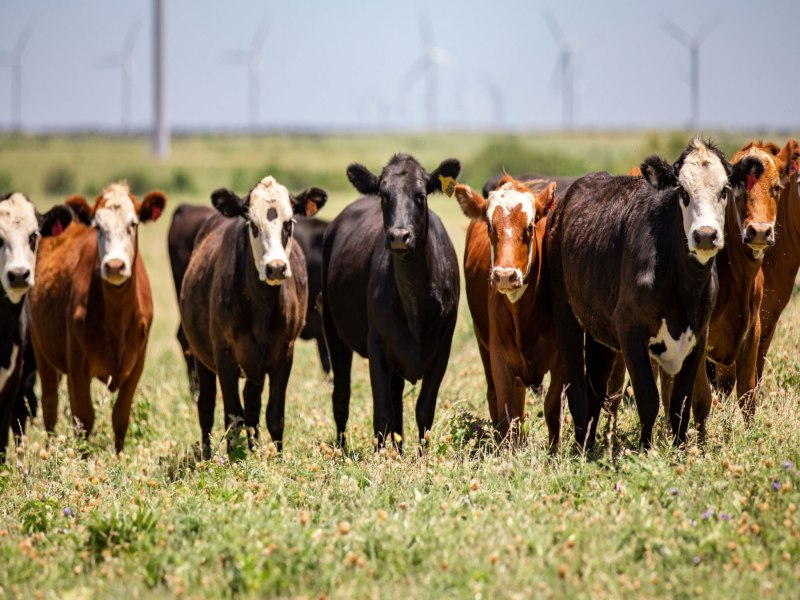
For cattle, buffalo, sheep, and goats, efficient fiber digestion is essential. Research published in international dairy and ruminant nutrition journals confirms that yeast cultures stimulate rumen microbial activity, especially fiber-digesting bacteria. Enhanced rumen fermentation increases energy availability, supporting higher milk yields and improved weight gain.
Scientific Validation from International Research
The effectiveness of yeast cultures is supported by extensive global research:
-
Reviews in the Journal of Animal Science report improved feed efficiency and digestive health across multiple species supplemented with yeast cultures.
-
Studies in the Journal of Dairy Science show enhanced rumen fermentation and improved productivity in dairy cows, particularly under heat stress.
-
Swine nutrition research highlights reduced post-weaning diarrhea and improved growth performance in piglets receiving yeast cultures.
These findings confirm yeast cultures as a proven, evidence-based feed additive suitable for commercial livestock systems.
Practical Use of Yeast Cultures in Vietnam and Southeast Asia
To achieve optimal results, yeast cultures should be applied strategically:
-
Select feed-grade yeast cultures from a qualified manufacturer or supplier with stable fermentation technology.
-
Adjust dosage levels based on species, age, and feed formulation.
-
Maintain consistent inclusion to ensure long-term gut and immune benefits.
-
Integrate yeast cultures into a comprehensive nutrition program rather than using them as a short-term fix.
Working closely with an experienced yeast culture supplier helps ensure effective application under local production conditions.
Yeast Cultures and the Future of Sustainable Animal Husbandry
As the Vietnam animal feed industry continues to evolve, yeast cultures are becoming a cornerstone of sustainable livestock nutrition. By improving digestion, supporting immune resilience, and helping animals cope with environmental stress, yeast cultures enable producers to achieve higher productivity with greater stability.
For feed mills, integrators, and large-scale farms across Southeast Asia, yeast cultures represent a practical and forward-looking solution that aligns performance goals with modern production standards.
Professional Yeast Culture Solutions for Livestock Nutrition
As a dedicated yeast culture manufacturer and supplier, we provide high-quality, feed-grade yeast cultures designed for pigs, poultry, and ruminants in Southeast Asian production systems. Our technical team offers formulation support and application guidance to help customers achieve consistent results.
For customized yeast culture solutions and technical support, visit www.yeastchallenge.com or contact us for customized services.