
Key Takeaways
For animal feed manufacturers and distributors, purchasing yeast culture is not simply a comparison of price, crude protein, or yeast inclusion rate. The real challenge is ensuring that every production batch delivers consistent biological value.
The quality consistency of yeast culture products is determined by multiple factors, including:
- fermentation process control
- yeast strain stability
- fermentation metabolite profile
- yeast cell wall components
- moisture and storage stability
- batch-to-batch quality control
A reliable yeast culture supplier should provide measurable quality indicators rather than relying on general claims such as “high-quality yeast” or “high yeast content”.
For feed companies, understanding these indicators helps reduce formulation risks, improve supply reliability, and select suppliers based on actual product performance rather than price alone.
Why Yeast Culture Quality Consistency Matters in Animal Feed Production
In animal nutrition markets, many yeast culture products appear similar on paper. They may use the same product category name, contain Saccharomyces cerevisiae, and provide similar basic specifications.
However, significant differences can exist between suppliers. Understanding how to choose a reliable yeast culture manufacturer is the first step to reducing procurement risks and ensuring long-term product consistency.
The reason is that yeast culture is not defined only by the presence of yeast cells. Its functional value comes from the entire fermentation process, including the metabolites produced during fermentation and the biological components retained after processing.
For feed manufacturers, inconsistent yeast culture quality can create several procurement challenges:
| Problem | Mechanism | Business Impact |
|---|---|---|
| Different fermentation conditions | Variable metabolite production | Inconsistent animal feed performance |
| Unstable raw material control | Changes in fermentation output | Batch quality variation |
| Lack of quality testing | Unknown biological activity | Higher supplier risk |
| Focus only on price | Reduced product differentiation | Lower customer satisfaction |
A yeast culture supplier with stable production control provides more than a product specification sheet. They provide confidence that each shipment meets the expected quality standard.
What Are the Key Yeast Culture Quality Indicators?
1. Fermentation Process Control Determines Yeast Culture Stability
The first factor affecting yeast culture quality is the fermentation process itself.
Unlike simple yeast biomass products, yeast culture is produced through controlled fermentation where yeast cells generate various functional metabolites.
During fermentation, parameters such as:
- fermentation temperature
- pH control
- nutrient supply
- oxygen availability
- fermentation duration
directly influence the final product composition.
Poor process control can lead to:
- inconsistent metabolite production
- variation between batches
- unstable functional characteristics
For procurement teams, the key question is not only:
“Does the supplier produce yeast culture?”
but:
“Can the supplier maintain the same fermentation quality across different production batches?”
A reliable manufacturer should have:
- standardized fermentation procedures
- production monitoring systems
- defined quality control checkpoints
- batch testing records
2. Yeast Strain Stability Influences Biological Performance
The yeast strain used during fermentation is another important yeast culture quality indicator.
Different strains of Saccharomyces cerevisiae have different fermentation characteristics and produce different profiles of metabolites.
Strain differences can affect:
- fermentation efficiency
- yeast cell wall composition
- enzyme production
- organic acid production
- final nutritional characteristics
A supplier that only provides the species name without explaining strain management provides limited information for professional buyers.
For B2B procurement, important evaluation points include:
| Evaluation Item | Why It Matters |
|---|---|
| Yeast strain identification | Confirms product consistency |
| Strain preservation system | Maintains fermentation stability |
| Production history | Shows manufacturing experience |
| Quality verification | Reduces batch variation risk |
Stable yeast strain management is one of the foundations of consistent yeast culture production.
3. Fermentation Metabolite Profile Defines Yeast Culture Value
One of the biggest differences between yeast culture products is the fermentation metabolite profile. Products developed through controlled fermentation processes, such as Saccharomyces cerevisiae culture solutions for animal feed, contain a broader range of fermentation-derived components compared with simple yeast biomass products.
Many buyers focus on basic indicators such as protein content or yeast count. However, yeast culture delivers value through a broader range of fermentation-derived components.
These include:
- peptides
- amino acids
- organic acids
- enzymes
- fermentation factors
- other bioactive metabolites
A high-quality yeast culture should be evaluated based on the composition and consistency of these fermentation products.
| Quality Indicator | Role in Product Evaluation |
|---|---|
| Organic acids | Reflect fermentation activity |
| Peptides | Indicate fermentation complexity |
| Enzymatic activity | Shows biological functionality |
| Metabolite consistency | Demonstrates batch stability |
This is why two yeast culture products with similar basic specifications can deliver different feeding results.
The difference is often not the amount of yeast included, but the quality of fermentation-derived components.
4. β-Glucan and MOS Content Reflect Yeast Cell Wall Quality
Yeast cell wall components are important quality indicators in functional feed additives.
The main yeast cell wall components include:
- β-glucan
- mannan oligosaccharides (MOS)
These components are generated from yeast cell structures and contribute to the functional characteristics of yeast-based feed ingredients.
For buyers evaluating yeast culture products, important questions include:
- Are yeast cell wall components measured?
- Are specifications consistent between batches?
- Does the supplier provide analytical data?
A professional supplier should be able to explain:
- yeast processing technology
- cell wall component analysis
- quality control methods
However, buyers should avoid evaluating yeast culture only by β-glucan or MOS content.
Yeast culture quality is determined by the complete fermentation system, not a single parameter.
5. Moisture Level and Storage Stability Affect Product Reliability
Physical stability is another important but often overlooked yeast culture quality indicator.
Even a well-produced yeast culture can lose quality if storage stability is poor.
Important factors include:
- moisture content
- packaging protection
- storage requirements
- shelf-life validation
High moisture levels can increase risks such as:
- microbial contamination
- reduced storage stability
- product deterioration
For distributors and international buyers, storage stability is especially important because products may experience:
- long transportation periods
- temperature changes
- warehouse storage
A reliable supplier should provide clear:
- product specifications
- storage recommendations
- shelf-life information
6. Batch-to-Batch Consistency Is the Most Important Procurement Indicator
For commercial feed production, consistency is often more valuable than a single high-performance test result.
A supplier may provide an impressive product analysis report, but the key question remains:
Can the same quality be delivered every time?
Professional buyers should evaluate:
Quality Documentation
A reliable yeast culture supplier should provide:
- Certificate of Analysis (COA)
- product specification sheet
- microbiological testing results
- batch quality records
Production Consistency
Important indicators include:
| Indicator | Procurement Meaning |
|---|---|
| Similar analytical results between batches | Stable manufacturing process |
| Defined product specifications | Clear quality standards |
| Regular testing procedures | Controlled production |
| Traceable production records | Lower supply risk |
Batch consistency directly influences feed manufacturers’ confidence in long-term cooperation.
Why CFU Alone Does Not Define Yeast Culture Quality
One common misunderstanding in yeast product purchasing is using CFU count as the main quality standard.
This approach is more suitable for evaluating live yeast products.
However, yeast culture is different from live yeast additives.
| Product Type | Main Quality Focus |
|---|---|
| Live yeast | Viable yeast cell count |
| Yeast culture | Fermentation metabolites + yeast components |
A yeast culture with a high CFU value does not automatically mean better fermentation quality.
For procurement decisions, buyers should evaluate:
- fermentation technology
- metabolite profile
- quality consistency
- supplier manufacturing capability
The question should not be:
“How much yeast is in the product?”
The better question is:
“How consistently does the fermentation process produce the functional components animals require?”
How to Evaluate a Yeast Culture Supplier Before Purchase
Before selecting a supplier, feed companies should evaluate both product quality and manufacturing capability.
Yeast Culture Supplier Evaluation Checklist
| Question | Why It Matters |
|---|---|
| Does the supplier control fermentation production internally? | Ensures process stability |
| Can they provide batch COA reports? | Confirms quality transparency |
| Do they monitor fermentation metabolites? | Shows product differentiation |
| Are quality standards consistent? | Reduces purchasing risk |
| Can they provide technical support? | Helps application success |
Choosing a yeast culture supplier should be based on production capability and quality management, not only unit price.
How Challenge Group Ensures Yeast Culture Consistency
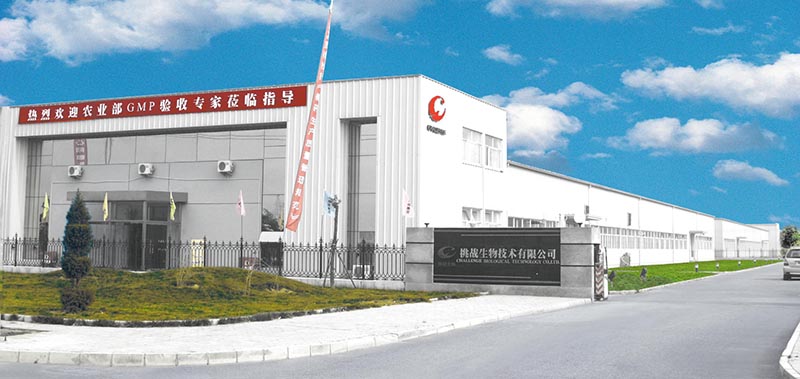
As a fermentation-based animal nutrition company, Challenge Group focuses on manufacturing control and product consistency.
Reliable yeast culture production requires:
- controlled fermentation processes
- standardized production procedures
- strict quality testing
- stable supply capability
Through fermentation technology and quality management systems, Challenge Group provides yeast culture solutions designed for feed manufacturers, distributors, and animal nutrition companies requiring reliable product performance.
Conclusion
The quality of yeast culture products is determined by much more than a single specification number.
The most important yeast culture quality indicators include:
- fermentation process control
- yeast strain stability
- metabolite profile
- β-glucan and MOS content
- moisture stability
- batch-to-batch consistency
For feed manufacturers and distributors, selecting the right yeast culture supplier means evaluating whether the product can deliver consistent quality shipment after shipment.
A reliable supplier does not only provide yeast culture — they provide quality confidence, production stability, and long-term supply security.