
Key Insights
- Biofloc aquaculture systems rely on microbial nutrient recycling instead of traditional water exchange, creating a unique nutritional environment.
- Intensive biofloc shrimp farming requires feeding strategies that support both aquatic animals and the surrounding microbial ecosystem.
- Yeast culture provides fermentation-derived metabolites and functional nutrients that complement biofloc production.
- Effective nutritional management improves aquaculture feed efficiency, nutrient utilization, and production consistency.
Why Biofloc Systems Require Different Nutritional Strategies
Biofloc aquaculture systems operate differently from conventional pond farming because nutrients are continuously recycled through microbial communities.
In traditional aquaculture, feed is the primary nutritional source. However, in biofloc production, aquatic animals obtain nutrients from both formulated feed and microbial biomass generated within the culture system.
This creates a more complex nutritional environment where successful production depends on the interaction between:
- Formulated feed quality
- Biofloc microbial community stability
- Organic matter management
- Nutrient recycling efficiency
Therefore, nutritional solutions for biofloc systems should not only focus on animal growth but also support efficient nutrient circulation within the production environment.
Nutritional Challenges in Intensive Biofloc Production
As farms increase stocking density, maintaining stable biofloc conditions becomes more challenging.
The main nutritional challenges include:
| Challenge | Mechanism | Production Impact |
|---|---|---|
| Microbial community fluctuation | Changes in microbial biomass and nutrient recycling activity | Reduced production consistency |
| Variable nutrient availability | Different contributions from biofloc particles during production cycles | Unstable feed utilization |
| Organic matter accumulation | Excess nutrients increase system management pressure | Higher operational risk |
| Intensive feeding conditions | Greater demand for efficient nutrient conversion | Reduced aquaculture feed efficiency |
These challenges make nutritional strategies for biofloc aquaculture an important consideration for farms, feed manufacturers, and distributors.
How Yeast Culture Supports Biofloc Aquaculture Systems
Yeast culture in biofloc systems provides a fermentation-based nutritional approach designed to complement existing microbial ecosystems.
Unlike live microbial products, yeast culture does not aim to introduce new microorganisms into the culture environment. Instead, it provides nutritional components generated during fermentation, including peptides, amino acids, vitamins, and other functional metabolites.
This makes yeast culture suitable for integration into intensive aquaculture feeding programs.
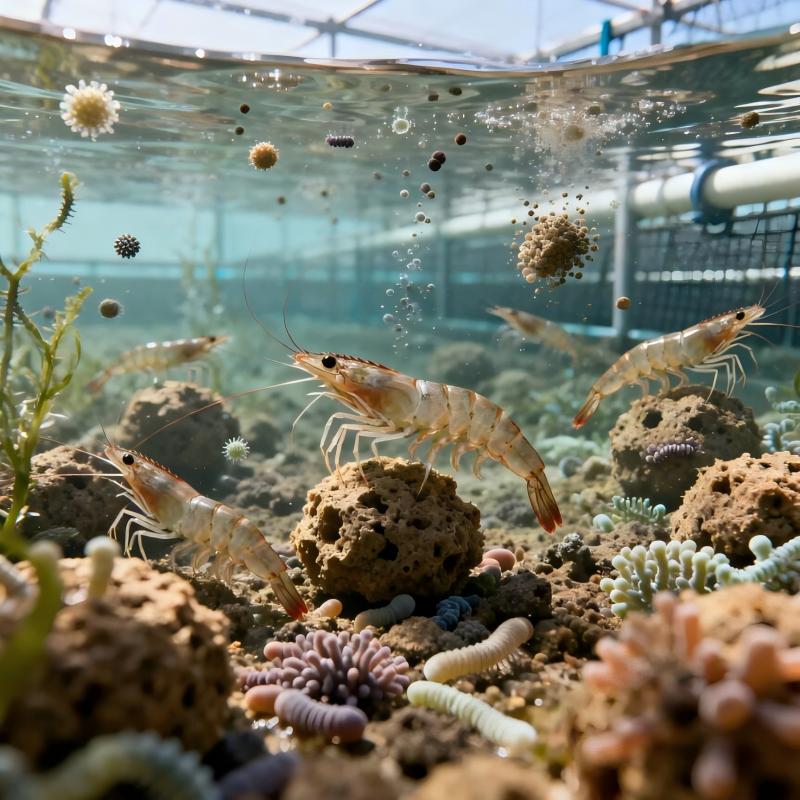
Supporting Biofloc Microbial Ecosystem Balance
A stable biofloc microbial community is essential for efficient nutrient recycling.
Yeast culture supports this production model by providing fermentation-derived nutrients that complement microbial activity and help maintain a more consistent nutritional environment.
Key considerations include:
- Supporting efficient nutrient recycling
- Complementing microbial biomass production
- Maintaining stable nutritional conditions
The objective is not to replace microbial management practices, but to provide additional nutritional support within the existing biofloc ecosystem.
Improving Nutrient Utilization and Feed Efficiency
Feed cost is one of the largest operating expenses in intensive shrimp and fish production.
In biofloc shrimp farming, animals utilize nutrients from both commercial feed and microbial biomass. Improving how these nutrients are processed directly affects production economics.
Yeast culture contributes:
- Fermentation-derived peptides
- Functional nutritional compounds
- Additional sources of bioavailable nutrients
Through improved nutrient utilization, yeast culture supports better aquaculture feed efficiency and helps maximize the value of formulated feeds.
For more information about feed nutrient loss, see Why Nutrient Leaching Reduces Aquaculture Feed Efficiency.
Supporting Shrimp Adaptation to Biofloc Feeding Conditions
Shrimp raised in biofloc systems continuously interact with suspended microbial aggregates and organic particles.
Compared with conventional farming systems, this creates different digestive and nutritional conditions.
Yeast culture for shrimp farming provides nutritional support that helps animals utilize nutrients from multiple sources, including:
- Formulated feed ingredients
- Microbial biomass
- Fermentation-derived nutrients
This makes yeast culture a valuable component of feeding strategies designed for intensive production environments.
Complementing Sustainable Aquaculture Nutrition
One major advantage of biofloc aquaculture systems is improved nutrient recycling and reduced water exchange requirements.
However, sustainable production depends on maintaining efficient nutrient conversion and stable system management.
Fermentation-based nutritional solutions support this approach by helping farms improve feed utilization while maintaining production stability.
For additional information about managing challenging farming conditions, see Managing Environmental Stress in Aquaculture Production Systems.
Selecting Yeast Culture for Biofloc Applications
When selecting an aquaculture feed additive, farms and feed manufacturers should evaluate more than ingredient composition.
The performance of yeast culture depends heavily on fermentation quality, product consistency, and supplier capability.
| Evaluation Factor | Why It Matters |
|---|---|
| Fermentation process | Determines consistency of functional metabolites |
| Product stability | Ensures reliable application performance |
| Aquaculture experience | Supports proper product selection |
| Technical support | Helps optimize feeding programs |
| Supply capability | Reduces long-term purchasing risks |
For feed mills and distributors, choosing an experienced aquaculture feed additive supplier helps ensure stable product quality and application support.
Frequently Asked Questions
How does yeast culture work in biofloc systems?
Yeast culture in biofloc systems provides fermentation-derived nutrients and metabolites that complement microbial nutrient recycling and support efficient feed utilization.
Does yeast culture replace probiotics in biofloc farming?
No.
Probiotics introduce selected live microorganisms, while yeast culture provides fermentation-based nutritional components that support animal nutrition and microbial ecosystem compatibility.
Is yeast culture suitable for biofloc shrimp farming?
Yes.
Yeast culture for shrimp farming can be incorporated into feed programs to support nutrient utilization and production consistency under intensive biofloc conditions.
What should buyers consider when selecting yeast culture?
Buyers should evaluate:
- Fermentation quality
- Product consistency
- Aquaculture application experience
- Technical support capability
- Long-term supply reliability
Choosing the Right Yeast Culture Solution for Aquaculture Production
As biofloc aquaculture systems become increasingly intensive, nutritional management plays a critical role in maintaining production stability.
A suitable yeast culture solution should support efficient nutrient utilization, complement microbial ecosystems, and provide consistent performance across different farming conditions.
For shrimp farms, feed manufacturers, and distributors looking for fermentation-based nutritional solutions, selecting a reliable supplier with strong production capability and technical support is essential.
Contact our technical team to discuss yeast culture applications for shrimp farming, fish farming, and intensive biofloc production systems.