
As livestock production continues to expand across Vietnam and Southeast Asia, animal producers face increasing pressure to improve efficiency while maintaining animal health under challenging conditions. High temperatures, humidity, variable feed quality, and rising restrictions on antibiotic use have exposed the limitations of traditional nutritional approaches. In this context, yeast cultures have become a scientifically validated and commercially reliable feed additive, offering practical solutions to many common breeding problems.
Backed by decades of international research and widely adopted in advanced livestock systems, yeast cultures are now playing a strategic role in modern animal husbandry across the region.
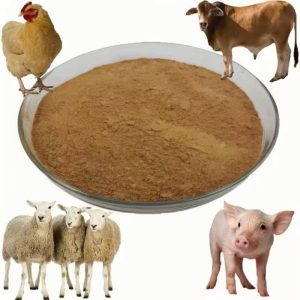
Understanding Yeast Cultures in Animal Nutrition
Yeast cultures are produced through the controlled fermentation of selected Saccharomyces cerevisiae strains. Unlike live yeast products alone, yeast cultures contain a complex matrix of beneficial metabolites, including enzymes, peptides, organic acids, vitamins, and functional yeast cell wall components. These bioactive compounds interact directly with the digestive system and gut microbiota of animals.
International studies published in journals such as the Journal of Animal Science and the Journal of Dairy Science confirm that yeast cultures improve digestive stability, nutrient utilization, and immune response across multiple livestock species.
Why Yeast Cultures Are Especially Valuable in Vietnam and Southeast Asia
Livestock systems in Vietnam and neighboring Southeast Asian countries often operate under environmental and nutritional stress. Heat stress, inconsistent raw materials, and high pathogen pressure are common challenges. Yeast cultures help address these issues in several critical ways.
Supporting Gut Health and Microbial Balance
A stable gut environment is the foundation of animal performance. Research shows that yeast cultures promote beneficial microorganisms while inhibiting harmful bacteria. In tropical climates, where heat stress can disrupt gut flora, yeast cultures help maintain microbial balance, reducing digestive disorders and improving nutrient absorption.
Improving Feed Digestibility and Feed Conversion
Many Southeast Asian diets rely on regional feed ingredients such as rice bran, cassava, and agricultural byproducts. Enzymes and fermentation metabolites found in yeast cultures enhance the breakdown of fiber and complex carbohydrates, allowing animals to extract more energy from existing feed formulations. Improved feed digestibility directly contributes to better feed conversion ratios and lower production costs.
Strengthening Immune Function and Reducing Antibiotic Dependence
Yeast cell wall components, including β-glucans and mannans, are well known for their immune-modulating effects. Scientific literature confirms that yeast cultures enhance innate immunity and improve resistance to enteric pathogens. This makes yeast cultures an effective nutritional strategy for producers seeking antibiotic alternatives in line with evolving regulations in Vietnam and export-oriented markets.
Enhancing Stress Resistance in Hot and Humid Conditions
Heat stress negatively affects feed intake, metabolism, and immune response. Supplementation with yeast cultures has been shown to support gut integrity and metabolic stability under thermal stress. Dairy and beef cattle studies indicate that yeast cultures help maintain performance even when environmental conditions are unfavorable — a key advantage for Southeast Asian livestock farms.
Solving Common Breeding Problems with Yeast Cultures
Weaning Stress and Digestive Disorders in Piglets
Weaning remains one of the most critical stages in pig production. Reduced feed intake, diarrhea, and growth setbacks are common. International swine nutrition trials demonstrate that yeast cultures improve intestinal morphology and microbial balance in weaned piglets. As a result, piglets show higher daily weight gain and lower diarrhea incidence during the post-weaning period.
Intestinal Health Challenges in Poultry Production
Broilers and layers raised in warm, humid environments are prone to gut health instability. Yeast cultures support a healthier intestinal ecosystem by encouraging beneficial bacteria such as Lactobacillus. Improved gut health leads to better nutrient utilization, stronger immunity, and more consistent growth and egg production.
Low Fiber Utilization in Ruminants
For cattle, buffalo, sheep, and goats, fiber digestion efficiency directly influences productivity. Research confirms that yeast cultures stimulate rumen fermentation by supporting fiber-degrading bacteria. This results in increased volatile fatty acid production, improved feed efficiency, and higher milk yield or weight gain — even when forage quality is inconsistent.
International Scientific Evidence Supporting Yeast Cultures
The effectiveness of yeast cultures is supported by extensive global research:
-
Peer-reviewed studies in the Journal of Animal Science report consistent improvements in feed efficiency and gut health across pigs, poultry, and ruminants.
-
Dairy research published in the Journal of Dairy Science shows enhanced rumen fermentation and improved milk production in heat-stressed cows supplemented with yeast cultures.
-
Comparative trials demonstrate reduced digestive disorders and improved growth performance in piglets receiving yeast culture supplementation.
These findings confirm yeast cultures as a reliable, science-based feed additive for commercial livestock production.
Practical Application of Yeast Cultures in Southeast Asian Farms
To maximize the benefits of yeast cultures, producers should follow several best practices:
-
Use feed-grade yeast cultures from a reliable manufacturer or supplier with proven fermentation technology and quality control.
-
Apply correct dosage levels according to species, production stage, and feed formulation.
-
Ensure consistent daily inclusion to achieve stable gut and immune benefits.
-
Integrate yeast cultures into a balanced nutrition program, rather than treating them as a standalone solution.
Close collaboration with an experienced yeast culture supplier can help optimize results under local production conditions.
Yeast Cultures as a Long-Term Solution for Sustainable Animal Husbandry
As Vietnam’s animal feed industry continues to modernize, yeast cultures offer a sustainable pathway to improved productivity, animal welfare, and economic efficiency. By enhancing digestion, supporting immunity, and helping animals cope with environmental stress, yeast cultures address the core challenges faced by Southeast Asian livestock producers.
For feed mills, integrators, and large-scale farms, adopting yeast cultures is not only a nutritional upgrade but a strategic investment in long-term performance and market competitiveness.
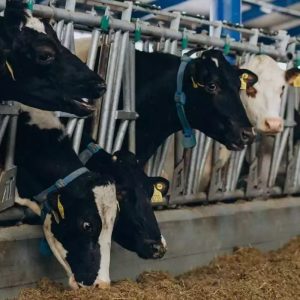
Professional Yeast Culture Solutions for Animal Nutrition
As a specialized yeast culture manufacturer and supplier, we provide feed-grade yeast cultures tailored for pigs, poultry, and ruminants under Southeast Asian production conditions. Our technical team supports customers with formulation guidance, application strategies, and performance optimization.
For customized yeast cultivation solutions for your livestock production, please contact us.