
Introduction
In today’s highly competitive animal nutrition market, feed efficiency, gut health, and sustainable production are no longer optional—they are decisive factors in farm profitability. Feed manufacturers, integrators, and large-scale farms worldwide are actively seeking functional feed additives that deliver measurable results under diverse production conditions.
Yeast culture–based feed additives have emerged as a proven solution, offering consistent performance benefits across poultry, swine, and ruminant systems. This article explores how yeast culture works, where it delivers the most value, and why choosing a reliable supplier matters for long-term success in global animal production.
Understanding Yeast Culture in Animal Nutrition
Yeast culture is not a single nutrient but a complex combination of beneficial metabolites produced during controlled fermentation. Unlike live yeast alone, yeast culture delivers functional compounds that support digestive efficiency and microbial balance.
Key Components of Yeast Culture
| Component | Functional Role |
|---|---|
| Organic acids | Support digestive stability |
| Amino acids & peptides | Improve nutrient utilization |
| B-vitamins | Support metabolism and growth |
| Fermentation metabolites | Enhance gut microbial balance |
These components work synergistically to optimize digestive processes, particularly under stress conditions such as heat stress, diet transitions, or high production pressure.
Performance Benefits Across Livestock Species
1. Ruminants (Dairy Cows & Beef Cattle)
In ruminant systems, yeast culture supports a stable rumen environment by encouraging beneficial microbial activity.
Key outcomes include:
-
Improved fiber digestion
-
Stabilized rumen pH
-
Better feed conversion efficiency
-
Consistent milk yield and body condition
This makes yeast culture especially valuable for high-producing dairy cows and feedlot cattle under intensive feeding programs.
2. Swine Production
Swine are highly sensitive to digestive disturbances, particularly during weaning and growth phases.
Yeast culture benefits for pigs:
-
Enhanced gut integrity
-
Improved nutrient absorption
-
Reduced performance fluctuations during stress
-
More consistent daily weight gain
For commercial pig farms and feed mills, this translates into improved uniformity and reduced economic losses.
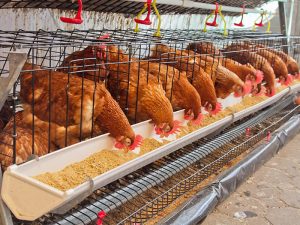
3. Poultry Systems
Modern poultry production demands fast growth rates and efficient feed utilization.
Observed advantages include:
-
Improved feed conversion ratio (FCR)
-
Better intestinal health
-
Enhanced resilience during environmental stress
Yeast culture is particularly effective in antibiotic-reduction programs, supporting natural digestive balance.
Why Yeast Culture Is a Strategic Feed Additive Choice
Practical Advantages for Feed Manufacturers & Farms
| Advantage | Business Impact |
|---|---|
| Multi-species application | Simplifies formulation portfolios |
| Stable processing performance | Suitable for pelleting and extrusion |
| Consistent efficacy | Predictable production outcomes |
| Scalable supply | Reliable for large-volume operations |
For global buyers, consistency and technical reliability are often more important than short-term cost savings.
Selecting the Right Yeast Culture Supplier
Not all yeast culture products are created equal. Differences in fermentation technology, strain selection, and quality control can significantly impact performance.
Key Evaluation Criteria
-
Controlled fermentation process ensuring stable metabolite profiles
-
Clear application guidance for different species
-
Documented performance data from commercial conditions
-
International supply capability for long-term partnerships
Choosing a supplier with strong production standards and export experience reduces risk and ensures consistent results across markets.
Global Application & Market Relevance
Yeast culture feed additives are now widely used across:
-
Southeast Asia’s intensive poultry systems
-
South American cattle and swine operations
-
European feed mills focusing on efficiency and sustainability
-
Middle Eastern and African markets adapting to climate stress
This global adaptability makes yeast culture a cornerstone ingredient for modern animal nutrition strategies.
Frequently Asked Questions
Is yeast culture the same as live yeast?
No. Yeast culture includes fermentation metabolites in addition to yeast cells, offering broader functional benefits for digestion and performance.
Can yeast culture be used alongside other feed additives?
Yes. Yeast culture integrates well with enzymes, organic acids, and mineral premixes without negative interactions.
How long does it take to see results?
Performance improvements are often observed within weeks, depending on species, diet formulation, and production conditions.
Conclusion
As animal production systems continue to intensify, functional feed additives like yeast culture are essential tools for improving efficiency, stability, and profitability. Backed by fermentation science and real-world application, yeast culture supports livestock performance across diverse species and geographic regions.
For feed manufacturers and farms seeking reliable, scalable, and performance-driven solutions, yeast culture represents a long-term investment in sustainable production success.