
A Practical Purchasing Checklist for Reliable Feed Additive Selection
When purchasing yeast culture for animal feed, feed companies should evaluate more than product price or basic yeast content. A reliable purchasing decision requires verification of product specifications, quality consistency, fermentation characteristics, documentation, and application suitability.
Key Takeaways for Feed Procurement Teams
- ✔ Check product specifications before comparing prices.
- ✔ Verify fermentation quality rather than yeast count alone.
- ✔ Request COA and quality documentation.
- ✔ Evaluate batch consistency.
- ✔ Confirm application suitability before purchasing.
A structured evaluation process helps feed companies reduce procurement risks and build a stable long-term supply relationship.
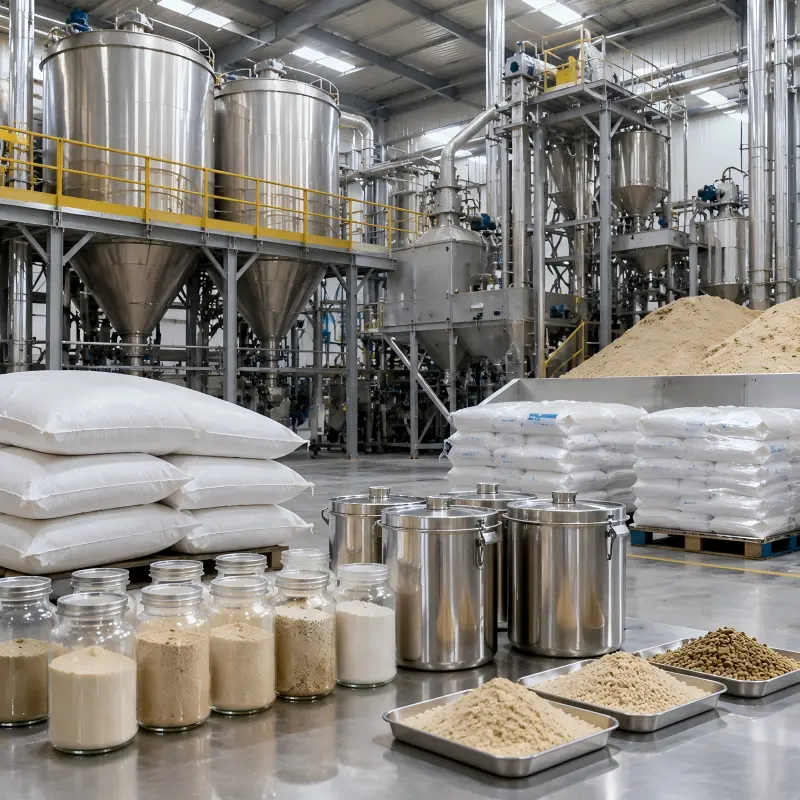
Why Feed Companies Need a Pre-Purchase Evaluation Process
For feed manufacturers, choosing a yeast culture product is not simply a matter of comparing prices or selecting the product with the highest declared value.
Different yeast culture products can vary significantly in:
- Production process
- Fermentation characteristics
- Product composition
- Quality stability
- Application performance
These differences directly affect purchasing decisions because feed mills require ingredients that can be consistently incorporated into commercial feed production.
A low-cost product with unclear specifications may create hidden risks, including:
| Purchasing Risk | Potential Impact |
|---|---|
| Inconsistent product composition | Formula adjustments and quality variation |
| Unclear quality standards | Difficulty in supplier evaluation |
| Limited documentation | Increased compliance risk |
| Unstable supply | Production planning problems |
For this reason, feed companies should establish clear criteria before purchasing animal feed yeast culture.
1. Check Yeast Culture Product Specifications Before Buying
The first step in evaluating a yeast culture product is understanding exactly what you are purchasing. Reviewing the supplier’s Saccharomyces cerevisiae culture products for animal feed can help purchasing teams compare specifications, recommended applications, and available product options before requesting samples.
Important specification items include:
| Specification Item | Why It Matters |
|---|---|
| Yeast strain information | Helps identify product characteristics |
| Viable yeast count | Indicates biological yeast activity |
| Moisture content | Influences product stability and storage |
| Carrier composition | Affects feed formulation compatibility |
| Shelf life | Important for inventory planning |
| Storage requirements | Ensures product quality during handling |
Feed companies should avoid evaluating products based on only one indicator.
For example, a higher yeast count does not automatically mean a better yeast culture solution.
The value of yeast culture depends on the complete fermentation profile, product consistency, and suitability for the intended application.
2. Evaluate Fermentation Quality, Not Only Yeast Content
One common mistake during yeast culture purchasing is focusing only on the amount of yeast biomass.
However, yeast culture is different from simple yeast products.
During fermentation, yeast produces a range of fermentation-derived components, including:
- Peptides
- Organic acids
- Cell wall components
- Other fermentation metabolites
These components contribute to the functional characteristics that distinguish yeast culture from conventional yeast biomass.
When evaluating suppliers, feed companies should ask:
- Is the product produced through a controlled fermentation process?
- Are fermentation characteristics consistent between batches?
- Does the supplier explain the product composition clearly?
- Is the product specification based on measurable parameters?
A reliable yeast culture supplier should be able to provide technical information supporting the product’s manufacturing process and quality control.
3. Verify Batch Consistency and Quality Control Standards
For feed mills, consistency is one of the most important purchasing factors.
A product that performs differently between batches can create challenges in feed production and quality management.
Before buying yeast culture, feed companies should evaluate:
Batch-to-Batch Consistency
Important questions include:
- Are production batches tested before shipment?
- Are specifications maintained over time?
- Is there a quality control process for finished products?
A professional supplier should provide documents such as:
- Certificate of Analysis (COA)
- Product specification sheet
- Batch testing records
A simple evaluation framework:
| Quality Check | What Feed Companies Should Confirm |
|---|---|
| COA availability | Testing results are provided for each batch |
| Specification stability | Product characteristics remain consistent |
| Quality control process | Supplier follows defined testing procedures |
| Traceability | Production batches can be identified |
For commercial feed production, predictable supply quality is often more valuable than a lower purchase price.
4. Review Documentation Before Placing an Order
Before purchasing animal feed additives, feed companies should verify whether the supplier can provide complete technical and commercial documentation.
Required documents may include:
- Product specification sheet
- Certificate of Analysis (COA)
- Storage recommendations
- Shelf-life information
- Export-related documents
Clear documentation helps feed companies:
- Compare different products accurately
- Manage internal quality approval
- Support regulatory requirements
- Reduce purchasing uncertainty
A supplier that cannot clearly define product specifications creates additional risks during long-term cooperation.
5. Confirm Application Suitability for Your Feed Formula
A yeast culture product should match the feed company’s actual production requirements.
Before purchasing, feed manufacturers should consider:
Target Animal Application
Different feed categories may require different product strategies:
- Poultry feed
- Swine feed
- Dairy feed
- Beef feed
- Aquaculture feed
Important evaluation points include:
- Recommended inclusion level
- Product compatibility with existing formulations
- Storage and handling requirements
- Technical support availability
The goal is not simply buying a yeast culture product, but selecting a product that fits the company’s production system.
6. Compare Supplier Transparency Before Buying Yeast Culture
Besides product specifications, feed companies should evaluate how transparent the supplier is during the purchasing process.
A reliable supplier should clearly communicate:
Product Information
- Detailed specifications
- Quality parameters
- Application recommendations
Production Information
- Manufacturing capability
- Quality control procedures
- Supply capacity
Technical Support
- Product consultation
- Application guidance
- Problem-solving support
A transparent supplier reduces communication costs and helps feed companies make better purchasing decisions. Companies that are still evaluating potential partners can also review how experienced yeast culture manufacturers are assessed before beginning supplier qualification.
7. Questions Feed Companies Should Ask Before Purchasing Yeast Culture
Before starting cooperation, feed companies can use the following checklist.
Product Questions
What specifications are available for this yeast culture product?
The supplier should provide measurable product information rather than only marketing descriptions.
Is this product a yeast culture or simple yeast biomass?
Feed companies should understand the difference between fermentation-derived products and basic yeast ingredients.
Quality Questions
Can the supplier provide a Certificate of Analysis (COA)?
COA documentation helps verify product consistency.
How does the supplier control batch variation?
Stable quality is essential for long-term feed production.
Supply Questions
Can the supplier support long-term commercial orders?
Feed companies should evaluate production capacity, lead time, and supply reliability.
A Practical Yeast Culture Purchasing Checklist
Before placing an order, feed companies can review the following checklist:
| Evaluation Area | Key Questions |
|---|---|
| Product specification | Are product parameters clearly defined? |
| Quality control | Is batch consistency verified? |
| Fermentation process | Does the product contain fermentation-derived components? |
| Documentation | Are COA and technical documents available? |
| Application | Is the product suitable for the target feed category? |
| Supply capability | Can the supplier support stable long-term orders? |
This checklist helps purchasing teams compare suppliers using objective criteria instead of price alone.
Why Work With Challenge Group for Yeast Culture Supply
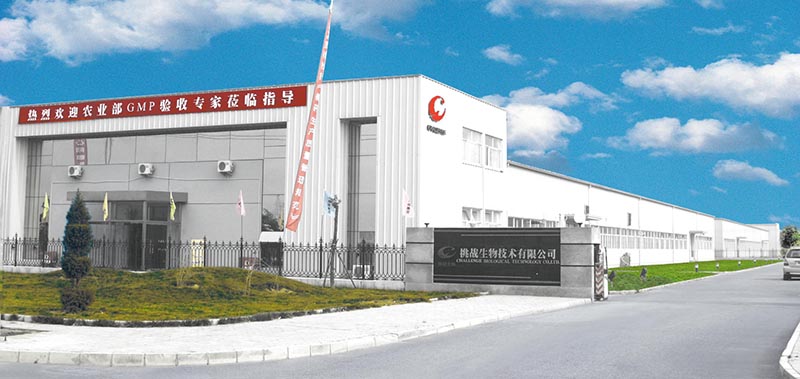
Challenge Group has focused on fermentation-based animal nutrition solutions.
As a yeast culture manufacturer and supplier, Challenge Group provides:
- Fermentation-based yeast culture products
- Stable product specifications
- Quality documentation support
- Solutions for poultry, swine, ruminant, and aquaculture applications
For feed companies looking for a reliable animal feed yeast culture supplier, evaluating product quality, consistency, and technical support is the foundation for long-term cooperation.
Conclusion
Buying yeast culture for animal feed requires more than comparing product prices.
Feed companies should evaluate:
- Product specifications
- Fermentation characteristics
- Batch consistency
- Documentation quality
- Application suitability
- Supplier reliability
A structured purchasing evaluation process helps feed manufacturers reduce supply risks and select yeast culture products that support stable feed production.