
Feed mills in Vietnam play a crucial role in determining animal performance and profitability. Modern feed mills are moving beyond basic nutrition and seeking functional feed ingredients that support gut health, improve feed conversion, and maintain product consistency.
Fermentation-based ingredients such as yeast culture have gained traction across the region due to their proven benefits.
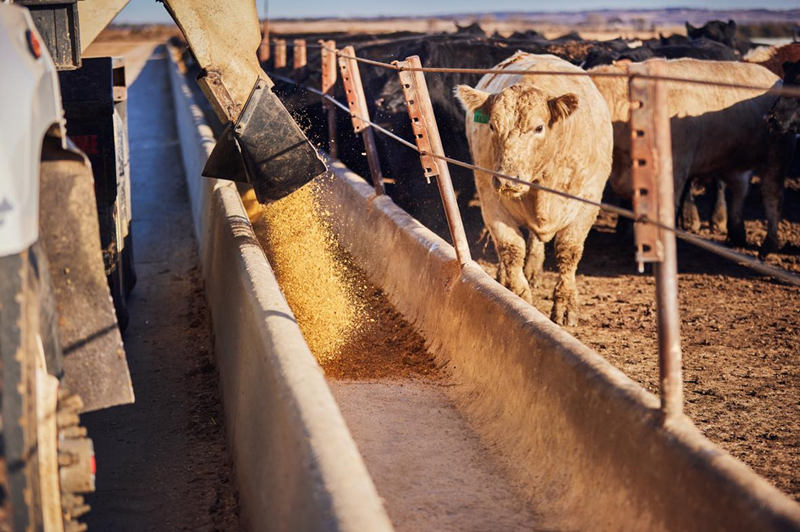
The Role of Yeast Culture in Feed Formulation
Feed producers need ingredients that are:
-
Reliable and consistent
-
Compatible with existing feed formulas
-
Easy to integrate into premixes or compound feeds
Yeast culture meets these requirements, offering metabolites that stabilize gut microflora and improve nutrient utilization in pigs, poultry, and ruminants.
Market Insights Across Southeast Asia
-
Vietnam, Thailand, Indonesia, and the Philippines are adopting modern feed mill operations.
-
Feed efficiency is a key driver as feed costs represent the largest expense in livestock production.
-
Yeast culture provides a competitive advantage, allowing feed mills to offer value-added formulations that improve growth performance.
Applications and Buyer Insights
-
Compound Feeds: For pigs, poultry, and cattle
-
Premixes: Standardized addition for multiple livestock types
-
Custom Formulations: Tailored solutions for commercial farms
Nutritionists prioritize yeast culture because it improves digestive health and reduces variability in feed conversion, making it a top choice for high-performance feed solutions.
FAQs: Feed Mills and Yeast Culture
Q1: Why are feed mills in Southeast Asia adopting yeast culture?
To improve feed efficiency, gut health, and product consistency across multiple livestock species.
Q2: Is yeast culture compatible with other feed additives?
Yes. It works alongside enzymes, probiotics, and organic acids.
Q3: Can distributors supply yeast culture reliably?
Yes, reputable suppliers provide quality-assured yeast culture products for commercial feed mills.