
Introduction
Yeast culture has become a key functional feed additive in pig production. While its benefits in weaned piglets—such as improved growth and reduced post-weaning diarrhea—are well documented, its application in growing–finishing pigs is gaining attention.
Finishing pigs face subclinical inflammation, variable feed digestibility, and oxidative stress that can subtly impact growth efficiency and carcass quality. By incorporating Saccharomyces cerevisiae yeast culture, producers can enhance gut health, immune function, and meat quality, while maintaining stable growth performance.
This pillar page synthesizes scientific evidence and practical outcomes, connecting to five supporting articles that explore growth performance, wheat–rice diets, gut immunity, microbiota modulation, and meat quality.
1. Growth Performance of Pigs with Yeast Culture
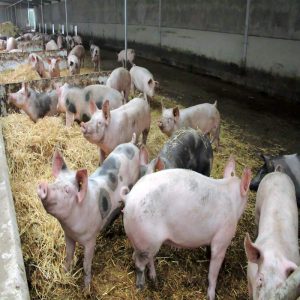
While yeast culture does not act as a direct growth stimulant, research demonstrates that it maintains stable average daily gain (ADG), feed intake, and feed conversion ratio (FCR) in growing–finishing pigs. Its true value lies in enhancing feed efficiency indirectly by reducing intestinal inflammation and improving nutrient utilization.
Key benefits:
-
Stable growth across corn–soybean and wheat–rice-based diets
-
Improved nutrient retention and metabolic efficiency
-
Reduced energy loss to subclinical immune challenges
➡️ Read more in our supporting article: Does Yeast Culture Improve Growth Performance in Growing–Finishing Pigs?
2. Yeast Culture in Wheat–Rice-Based Diets
Rising feed costs have made wheat–rice-based diets an attractive alternative to corn–soybean formulations. These diets provide comparable growth outcomes and lower feed cost per kilogram of gain.
Adding yeast culture enhances the benefits:
-
Stabilizes gut microbial activity for consistent fermentation
-
Improves dressing percentage and carcass uniformity
-
Enhances nutrient digestibility, particularly fiber and nitrogen utilization
➡️ Explore details in: Using Yeast Culture in Wheat–Rice-Based Diets for Finishing Pigs
3. Immune Modulation and Gut Health
Yeast culture has a direct effect on intestinal immunity, even in mature pigs. Supplementation leads to:
-
Upregulation of IL-10, an anti-inflammatory cytokine
-
Downregulation of IL-8, a pro-inflammatory cytokine
This shift reduces chronic inflammation, enhances nutrient absorption, and supports overall efficiency, translating into improved lean tissue deposition and carcass quality.
➡️ Learn more: How Yeast Culture Regulates Gut Immunity in Finishing Pigs
4. Microbiota Modulation
A stable gut microbiota is critical for digestion, immune regulation, and metabolic efficiency. Yeast culture supplementation promotes:
-
Increased Lactobacillus and Streptococcus in the colon
-
Reduced Prevotella and Bacteroidea in the cecum
These microbial shifts enhance short-chain fatty acid production, fiber fermentation, and epithelial barrier integrity, supporting both gut health and nutrient efficiency.
➡️ Explore full research: Yeast Culture and Gut Microbiota Changes in Growing–Finishing Pigs
5. Carcass Traits and Meat Quality
Beyond growth and gut health, yeast culture positively impacts dressing percentage and meat quality:
-
Higher dressing percentage indicates more efficient nutrient utilization
-
Improved meat color stability and oxidative capacity
-
Enhanced antioxidant defenses reduce post-slaughter oxidative stress
Healthy gut function and reduced inflammation allow for better nitrogen utilization, supporting lean muscle development and higher-quality pork.
➡️ Discover details: Why Yeast Culture Improves Dressing Percentage and Meat Quality in Pigs
6. Practical Application and Dosage
-
Recommended dosage: 500 mg/kg (0.5%) in wheat–rice or corn-reduced diets
-
Compatible with antibiotic-free production systems
-
Enhances gut health, immunity, carcass yield, and meat quality
-
Effective in EU, LATAM, and Southeast Asia production contexts
7. Integrated Benefits
Integrating all aspects, yeast culture provides:
-
Stable growth performance without compromising feed intake
-
Cost-efficient feed formulations using wheat–rice diets
-
Improved gut immunity and microbial balance
-
Better carcass yield and meat quality
The combination of these benefits makes yeast culture a high-value feed additive for modern pig production.
Conclusion
Using Saccharomyces cerevisiae yeast culture in growing–finishing pig diets delivers measurable benefits in gut health, nutrient utilization, and carcass traits, while maintaining consistent growth. Proper integration with wheat–rice-based diets further enhances economic and production efficiency.