
Introduction
The use of yeast culture for growing–finishing pigs is becoming increasingly important for producers seeking functional feed additives that improve efficiency without relying on antibiotics. While yeast culture is well-documented in weaned piglets, finishing pigs have a mature digestive system, raising the question: does yeast culture still influence growth performance at this stage?
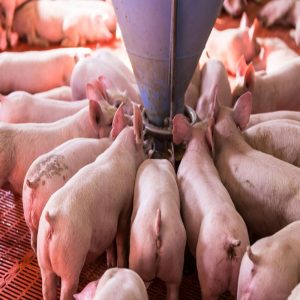
Growth Performance in Finishing Pigs
Recent studies indicate that yeast culture supplementation does not significantly change average daily gain (ADG), feed intake, or feed conversion ratio (FCR) in growing–finishing pigs. Pigs fed wheat–rice-based or corn–soybean diets with yeast culture maintained performance levels similar to control groups.
The consistent growth suggests that yeast culture is safe for long-term use and does not disrupt nutrient absorption or energy utilization.
How Yeast Culture Supports Efficiency
The benefit of Saccharomyces cerevisiae yeast culture for pig feed lies in its ability to:
-
Stabilize digestion
-
Reduce low-grade intestinal inflammation
-
Improve metabolic efficiency
By reducing subclinical inflammation, yeast culture allows nutrients to be used more efficiently, indirectly supporting lean tissue deposition and overall productivity.
Practical Implications
Producers can confidently use yeast culture as a supportive efficiency enhancer rather than a direct growth stimulant. Its inclusion ensures consistent performance while improving gut health, preparing pigs for optimal carcass quality.