
In animal production, feed accounts for more than 60% of total operating costs. Yet many farms face a frustrating reality: feed quality looks good on paper, but feed efficiency keeps declining. Animals eat more, grow slower, and production costs rise quietly month after month.
This problem is not accidental — and it cannot be solved by simply increasing protein levels or switching raw materials. The real issue lies deeper, in digestive efficiency and microbial balance, where fermentation agents play a decisive role.
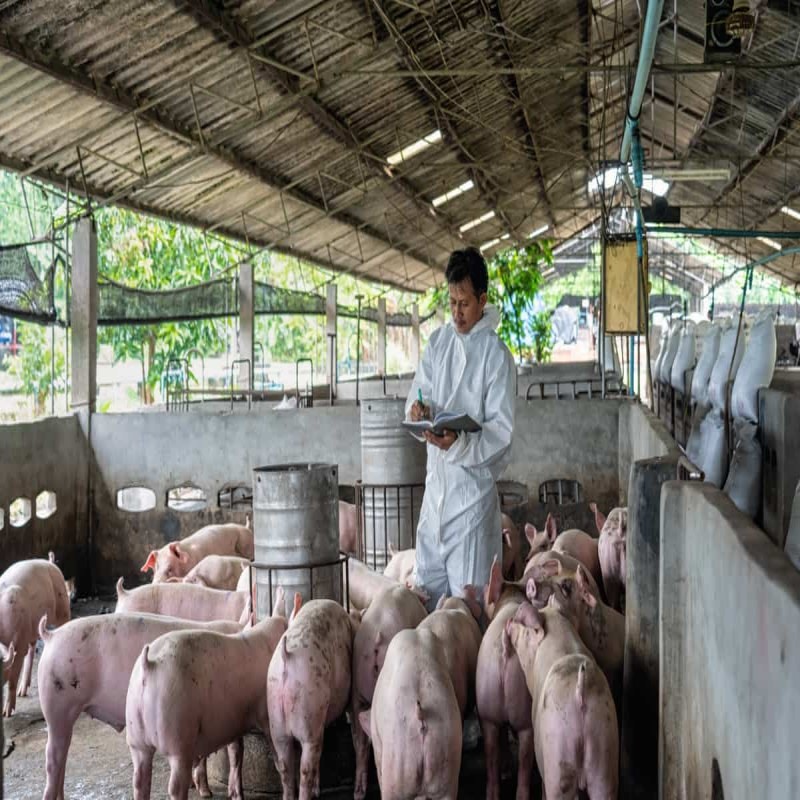
The Hidden Reasons Behind Poor Feed Efficiency
1. Gut Microbiota Imbalance Is More Common Than You Think
Modern intensive farming places animals under constant stress:
-
High stocking density
-
Early weaning
-
Heat stress
-
Frequent diet changes
These factors disrupt intestinal microbiota, reducing digestion efficiency even when feed formulations are correct.
When beneficial microbes decline, nutrients pass through the gut without being fully absorbed.
2. Anti-Nutritional Factors Reduce Nutrient Availability
Raw materials such as soybean meal, corn, and wheat contain complex fibers and anti-nutritional compounds. Animals lack the enzymes to fully break these down.
As a result:
-
Energy is wasted
-
Protein utilization drops
-
Feed conversion worsens
3. Subclinical Inflammation Consumes Energy
Animals under digestive stress divert energy away from growth and production toward immune defense. This “invisible loss” is one of the most underestimated causes of poor performance.
How Fermentation Agents Solve These Problems at the Source
Fermentation agents work before nutrients reach the bloodstream, targeting digestion and microbial stability rather than forcing artificial growth.
1. Improving Digestibility Through Pre-Fermentation
During fermentation, microorganisms partially break down fibers, proteins, and complex carbohydrates. This process:
-
Reduces anti-nutritional factors
-
Increases nutrient bioavailability
-
Makes feed easier to digest
Animals gain more nutrition from the same feed intake.
2. Rebuilding a Stable Gut Microbial Environment
Fermentation agents introduce beneficial metabolites and microbial fragments that:
-
Promote beneficial bacteria
-
Suppress harmful pathogens
-
Improve intestinal barrier integrity
This leads to more stable digestion and fewer performance fluctuations.
3. Supporting Natural Immune Efficiency
Fermentation products contain functional components that support immune regulation rather than overstimulation. Animals stay healthier, spend less energy fighting stress, and convert more feed into growth or production.
Practical Results Seen on Commercial Farms
When fermentation agents are correctly applied, farms typically observe:
-
Improved feed conversion ratio
-
More uniform animal growth
-
Reduced diarrhea and digestive disorders
-
Better performance during heat stress
-
Lower reliance on antibiotics
These benefits directly improve profitability.
Why Fermentation Agents Are Becoming a Core Feed Additive
Unlike single-function additives, fermentation agents deliver multi-layer benefits:
-
Nutritional improvement
-
Microbial balance
-
Immune support
This makes them especially valuable in antibiotic-reduction programs and high-intensity production systems.
Final Thought: Feed Efficiency Is a Biological Problem, Not a Formula Problem
Adjusting feed formulas alone cannot solve declining performance. Real improvement comes from optimizing digestion, microbial balance, and metabolic efficiency.
This is where high-quality fermentation agents become not just an additive — but a strategic tool for modern animal production.