
In today’s livestock industry, feed efficiency is no longer optional—it is the foundation of profitability. Farmers, feed mills, and integrators are all facing the same challenge: how to improve animal performance while controlling feed costs and maintaining gut health. This is where yeast culture has become a practical and reliable solution.
At its core, yeast culture is not simply a microbial additive. It is a fermentation-derived ingredient rich in metabolites, peptides, organic acids, and functional compounds that support digestive stability. Unlike single-strain probiotics, yeast culture works by creating a balanced intestinal environment, helping animals better utilize nutrients already present in their diets.
What Makes Yeast Culture Different?
Many feed additives promise performance gains. However, yeast culture stands out because it works through natural fermentation metabolites rather than direct microbial colonization. These metabolites stimulate beneficial rumen or intestinal microbes, improve fiber digestion, and help stabilize pH levels in the digestive tract.
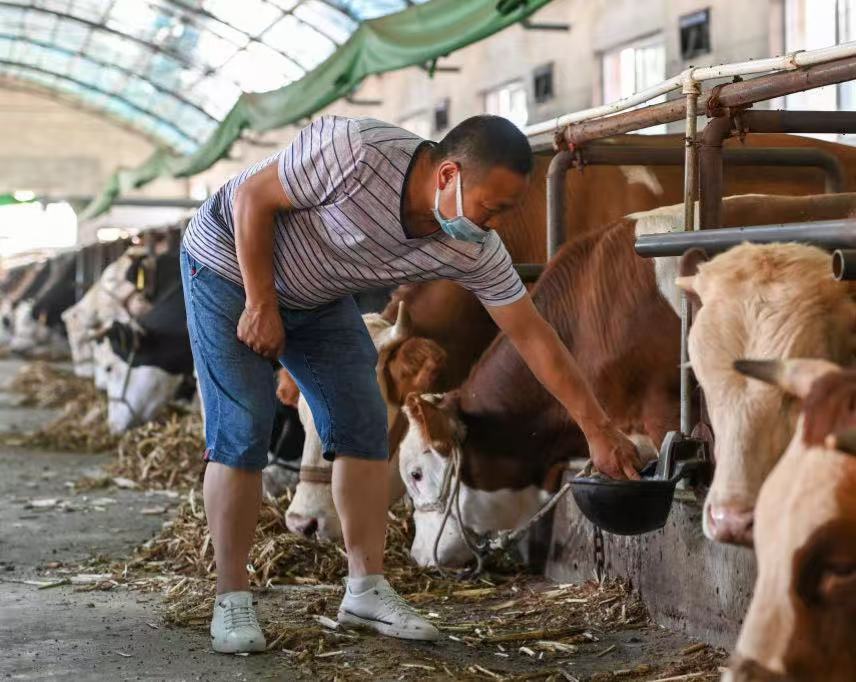
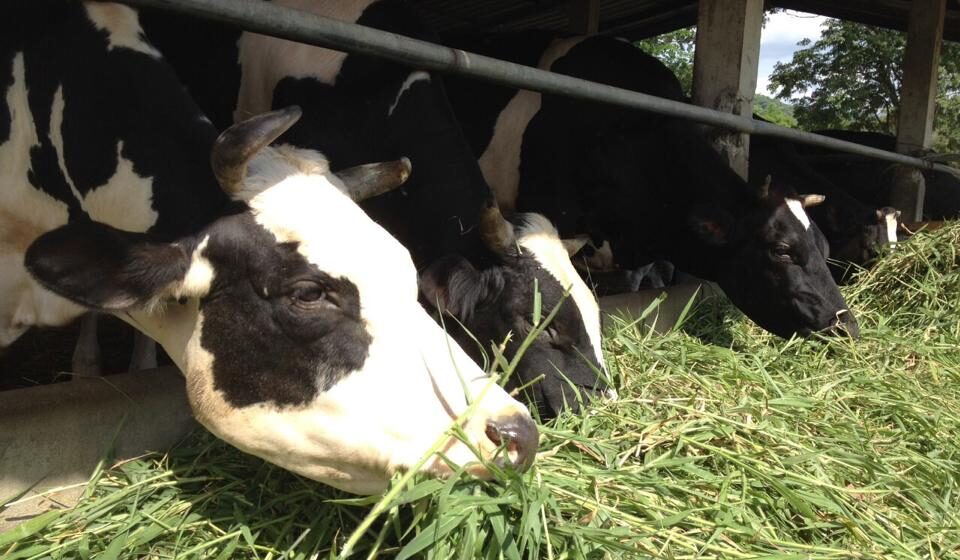
For ruminants, improved rumen fermentation can lead to better milk yield and feed conversion. For swine and poultry, yeast culture supports gut integrity, which contributes to steady growth and reduced stress during transitions such as weaning.
Practical Benefits for Feed Manufacturers
From a production perspective, consistency is critical. A well-produced yeast culture offers:
-
Stable fermentation metabolites
-
Uniform quality control standards
-
Easy inclusion in compound feed formulas
-
Compatibility with vitamins, enzymes, and trace minerals
For feed mills and premix producers, this reliability reduces formulation risk while maintaining product differentiation in competitive markets.
Supporting Gut Health and Performance
Modern feeding strategies increasingly focus on reducing antibiotic dependence. Yeast culture plays a role in this transition by supporting natural digestive balance. By promoting beneficial microflora, it helps maintain intestinal structure and improves nutrient absorption efficiency.
Healthier digestion translates into measurable production outcomes:
-
Improved feed conversion ratio
-
More consistent weight gain
-
Enhanced immune resilience
-
Reduced digestive disturbances
These are not theoretical advantages—they are operational improvements that directly impact farm profitability.
A Sustainable Direction for Animal Production
Sustainability in animal nutrition is closely tied to feed efficiency. When animals utilize nutrients more effectively, less waste is produced. This reduces environmental pressure and improves overall production efficiency.
Yeast culture aligns with this goal. By optimizing microbial fermentation and digestive stability, it supports a more balanced and responsible production system.
The future of animal nutrition is moving toward precision, stability, and sustainability. Yeast culture is no longer viewed as an optional additive but as a strategic component in feed formulation. For producers seeking dependable performance improvements without compromising animal health, yeast culture represents a practical and science-based solution.