
In the poultry farming industry, obtaining poultry meat and eggs is the primary goal. Therefore, the feed conversion ratio (FCR) and feed-to-egg ratio are the core pain points in farming costs. Yeast cultures can enable poultry animals, such as chickens and ducks, to eat less feed but grow more meat and lay more eggs. However, how to use yeast culture products can be challenging. Below, we will use broiler chickens and laying hens as examples to help you learn how to use yeast cultures.
First, for both broilers and laying hens, the method of use is simply to mix the yeast culture directly into the feed. First, mix the yeast culture with a small amount of feed (about 10% of the total feed volume) evenly, then gradually increase the mixing ratio until it is thoroughly mixed with all the feed.
Below is the usage method in broiler farming: The broiler farming cycle is usually 42 days, with two key stages: the brooding period and the fattening period.
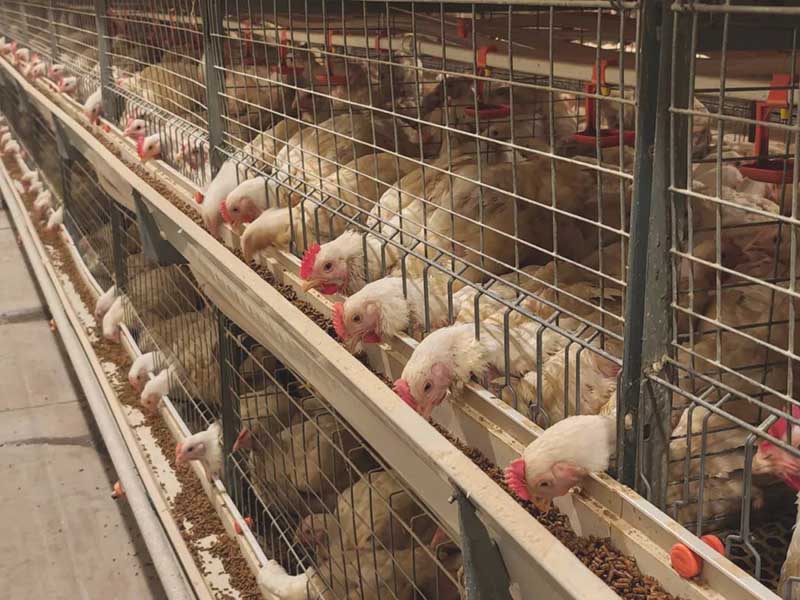
Days 1-21 are the brooding period for broilers. During this stage, the broilers’ digestive system is not yet fully developed, making them susceptible to stress and pathogens. The purpose of using yeast culture is to improve survival rate, build the immune system, reduce intestinal diseases, and lay the foundation for subsequent rapid growth. The recommended addition amount is 0.1%-0.2% of the basal diet, which is 1000-2000g of yeast culture per ton of basal diet.
Days 22-42 are the fattening period for broilers. This stage is crucial for broiler weight gain, requiring enhanced nutrient absorption efficiency and a reduced feed conversion ratio. The addition amount is 0.2%-0.3% of the basal diet, which is 2000-3000g of yeast culture per ton of basal diet.
During stress periods (such as flock transfer, immunization, coccidiosis infection, etc.), yeast culture should be added starting 3 days before the stress period ends and continuing for 5 days afterward, at a dosage of 0.3%-0.5% of the basal diet.
| growth stage | Age | Core objective | Addition ratio (basal diet) |
|---|---|---|---|
| Brooding period | 1~21 days | Improve survival rate, build immune system, reduce intestinal diseases, and lay the foundation for rapid growth. | 0.1%~0.2% |
| fattening period | 22~42 days | Enhance nutrient absorption efficiency and ensure feed conversion ratio | 0.2%~0.3% |
| Stress period | Stress phases such as repopulation, immunization, and coccidiosis infection | Relieve stress and protect gut health | 0.3%~0.5% |
The following is the usage method in layer hen farming: Layer hen farming is divided into three core stages: brooding and rearing, peak egg production, and late egg production.
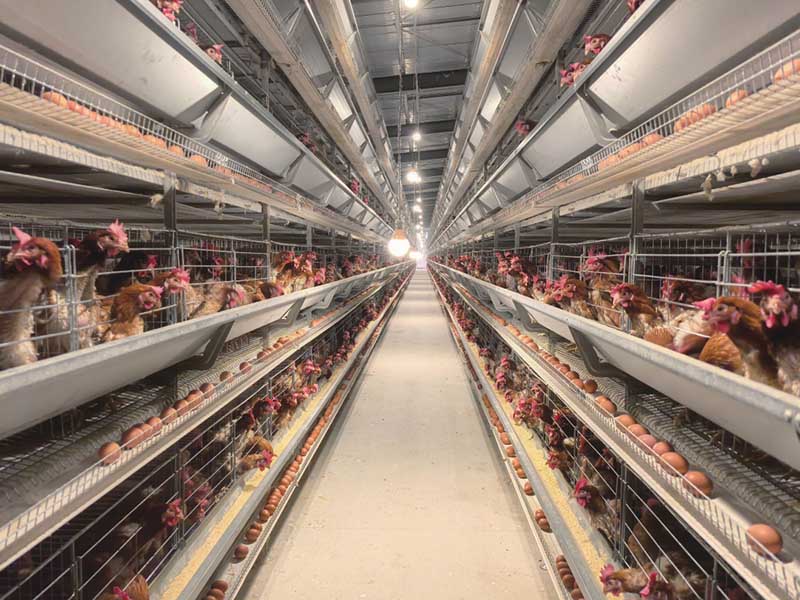
Days 1-120 are the brooding and rearing period for layer hens. This stage is crucial for the physiological development of layer hens, requiring the promotion of intestinal development, enhanced immunity, and the laying of the foundation for reproductive system maturation. Yeast culture dosage: 0.3%-0.5% of the basal diet.
From 121-300 days old, laying hens reach peak egg production. During this stage, nutrient consumption is high, requiring strengthened oviduct function to maintain high egg production, prolong peak production, and reduce broken egg rate. Yeast culture dosage: 0.4%-0.5% of the basal diet.
After 300 days old, laying hens enter the later stages of egg production. During this stage, reproductive system function declines, leading to problems such as thin albumen and insufficient eggshell toughness. It is necessary to improve egg quality and slow the decline in egg production. Yeast culture dosage: 0.5% of the basal diet.
| growth stage | Age | Core objective | Addition ratio (basal diet) |
|---|---|---|---|
| Brooding and rearing period | 1~120 days | Promotes intestinal development, enhances immunity, and lays the foundation for reproductive system maturation. | 0.3%~0.5% |
| peak egg production period | 121~300 days | Strengthening oviduct function, maintaining high egg production rate, prolonging peak egg production, and reducing egg breakage rate. | 0.4%~0.5% |
| Late egg production | 300 days and older | Improve egg quality, slow down the decline in egg production rate, and address issues such as thin albumen and insufficient eggshell toughness. | 0.5% |
Precautions: Yeast cultures should be stored in a sealed container in a cool, dry place, away from high temperature and humidity. Use within the shelf life to prevent inactivation of active ingredients. The dosage may vary slightly between different yeast culture products; this article is for reference only. For specific usage instructions, please contact the yeast culture product manufacturer.