
Introduction: Why Yeast Culture Matters in Ruminant Feeding
In modern ruminant production, improving feed efficiency is no longer optional—it is essential. Rising feed costs, fluctuating forage quality, and increasing production pressure require nutritional solutions that work consistently in real farm conditions. Yeast culture for ruminants has become one of the most widely adopted functional feed additives for this reason.
At YeastChallenge, we view ruminant yeast culture as a long-term nutritional tool rather than a short-term performance booster. When applied correctly, yeast culture supports rumen stability, improves fiber digestion, and helps dairy cows, beef cattle, sheep, and goats perform more efficiently throughout the production cycle.
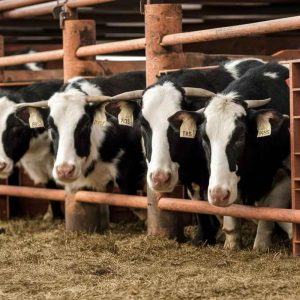
What Is Yeast Culture for Ruminants?
Yeast culture is a fermentation-based feed additive produced from selected yeast strains under controlled conditions. After fermentation, the material is carefully dried to preserve valuable metabolites and functional compounds.
Unlike live yeast alone, ruminant yeast culture contains:
-
Fermentation metabolites
-
Growth factors for rumen microbes
-
Yeast cell wall components
-
Organic acids and functional nutrients
This complex composition allows yeast culture feed additives to work through multiple mechanisms inside the rumen, making them especially suitable for ruminant animals.
How Yeast Culture Supports Rumen Function
The rumen is a highly active microbial system, and its stability directly determines animal performance. Yeast culture for ruminants supports rumen function in several practical ways.
Stabilizing Rumen Fermentation
Yeast culture promotes the activity of beneficial fiber-digesting bacteria. As fiber digestion improves, rumen fermentation becomes more stable, helping animals utilize forage and concentrates more efficiently.
Improving Rumen Environment
By scavenging residual oxygen, yeast culture helps maintain anaerobic conditions in the rumen. This creates an optimal environment for microbial growth and fermentation efficiency.
Enhancing Energy Availability
More balanced fermentation leads to higher and more consistent production of volatile fatty acids (VFAs), which are the primary energy source for ruminant animals.
Benefits of Yeast Culture for Dairy Cows
In dairy production, yeast culture for dairy cows is most commonly used during early lactation, peak milk production, and heat stress periods.
Key benefits include:
-
Improved dry matter intake stability
-
Better fiber utilization in high-forage diets
-
More stable rumen pH
-
Improved milk yield consistency
-
Better milk fat and protein stability
Many dairy farms using yeast culture feed additives report improved production persistence rather than short-term milk spikes, which supports long-term herd profitability.
Benefits of Yeast Culture for Beef Cattle
For beef cattle, yeast culture for ruminants helps stabilize intake and support growth performance, especially in high-energy finishing diets.
Observed benefits include:
-
More consistent feed intake
-
Improved average daily gain
-
Better feed conversion ratio
-
Reduced digestive disturbances during diet transitions
In feedlot and backgrounding systems, ruminant yeast culture is particularly valuable when cattle are adapting to new rations.
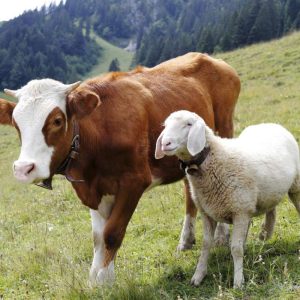
Benefits of Yeast Culture for Sheep and Goats
Sheep and goats rely heavily on fiber digestion efficiency. Yeast culture for sheep and goats supports rumen microbial balance and improves the utilization of roughage-based diets.
Key advantages include:
-
Improved forage digestibility
-
Better body condition maintenance
-
Improved production stability in breeding and lactation stages
-
Reduced nutritional stress during feed changes
Because of their sensitivity to dietary fluctuations, small ruminants often show clear responses to consistent yeast culture supplementation.
Why Choose Yeast Culture Feed Additives from YeastChallenge
At yeastchallenge.com, we focus on yeast culture feed additives specifically developed for ruminant nutrition. Our products are designed to deliver stable performance under practical farm conditions, not just in controlled trials.
Our yeast culture solutions emphasize:
-
Controlled fermentation technology
-
Consistent metabolite profiles
-
High stability during feed processing
-
Clear application guidance for different ruminant species
By integrating yeast culture into complete feeding programs, producers can improve feed efficiency while supporting rumen health and animal performance.
How to Use Yeast Culture in Ruminant Diets
Yeast culture for ruminants can be applied in:
-
Total mixed rations (TMR)
-
Concentrate supplements
-
Pelleted feeds
Inclusion rates depend on species, production stage, and diet composition. We recommend working with a nutritionist or contacting YeastChallenge technical support to optimize application and maximize results.
Future Outlook: Yeast Culture in Sustainable Ruminant Nutrition
As the industry continues to move away from antibiotic growth promoters, yeast culture animal feed solutions are becoming a cornerstone of sustainable ruminant nutrition. Their natural origin, proven functionality, and compatibility with modern feeding systems make them a reliable choice for future production models.
Conclusion
Yeast culture for ruminants is a proven, science-based feed additive that improves rumen fermentation, feed efficiency, and production performance in dairy cows, beef cattle, sheep, and goats. When sourced from reliable manufacturers and applied correctly, yeast culture delivers consistent value across different production systems.
At YeastChallenge, we remain committed to providing high-quality yeast culture feed additives that help ruminant producers achieve stable performance, improved profitability, and sustainable growth.