
Many livestock producers have added yeast culture in animal feed expecting better growth performance and improved feed conversion. However, real-world results are not always consistent. Some farms see clear improvements, while others report little or no change in feed efficiency.
Does this mean yeast culture doesn’t work?
Not necessarily.
In most cases, inconsistent results are caused by how yeast culture is selected, applied, or combined with other production factors—not by the concept itself. Understanding why yeast culture feed efficiency results vary is the first step toward using it more effectively.
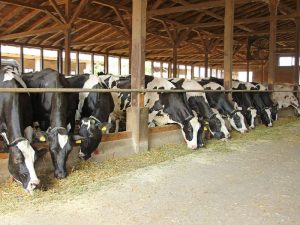
Yeast Culture Is Not a “One-Size-Fits-All” Solution
A common misunderstanding is that yeast culture will perform the same way across all animals and production stages. In reality, the response to yeast culture supplementation varies significantly depending on species, physiological stage, and production goals.
Different animals respond differently to fermentation-based additives. That is why many producers are now shifting toward species-specific yeast culture solutions designed for poultry, swine, or ruminants rather than relying on a single universal product.
Recognizing these differences is essential for improving yeast culture effectiveness under commercial conditions.
Feed Efficiency Depends on the Basal Diet
Yeast culture is a functional additive, not a corrective shortcut. If the basal diet is poorly balanced, the benefits of feed efficiency improvement may not be visible.
Common diet-related limitations include insufficient digestible nutrients, excessive fiber, or inconsistent raw material quality. In such cases, yeast culture may still support gut or rumen function, but its contribution to feed efficiency can be masked.
To maximize results, yeast culture is often combined with protein peptide support for nutrient utilization or fermentation-based feed additives for digestive stability that help stabilize digestion and nutrient availability.
Yeast Culture Quality and Production Process Matter
Not all yeast cultures are the same.
Differences in yeast strains, fermentation substrates, and production processes lead to significant variation in metabolite composition and biological activity. These factors directly affect yeast culture performance in animals.
High-quality products based on Saccharomyces cerevisiae culture typically provide more consistent results because their fermentation metabolites are better preserved and standardized.
When producers experience poor outcomes, the issue is often product quality rather than the concept of yeast culture itself.
Improper Dosage and Application Timing Reduce Results
Another reason why yeast culture doesn’t always improve feed efficiency is improper use.
Common issues include low inclusion rates, short feeding periods, or supplementation during stages with low response potential. Without proper alignment between dosage, timing, and animal needs, yeast culture effectiveness is difficult to observe.
Many farms now adopt targeted enzyme and yeast-based solutions tailored to specific production phases, ensuring that yeast culture works synergistically with digestive enzymes and the animal’s physiological condition.
Environmental and Management Factors Are Often Overlooked
Even the best yeast culture cannot fully compensate for severe environmental or management stress.
Heat stress, high stocking density, disease pressure, and poor hygiene all reduce nutrient utilization efficiency. Under these conditions, nutrients are diverted toward maintenance and immune response rather than growth or production.
To support animals under stress, yeast culture is often combined with fermentation-based detoxification support or plant-derived functional metabolites that help mitigate metabolic and environmental challenges.
When Yeast Culture Works Best: Practical Conditions for Success
Based on field experience, yeast culture feed efficiency improvements are most consistent when:
-
The basal diet meets basic nutritional requirements
-
Animals face moderate digestive or environmental challenges
-
A high-quality yeast culture is selected
-
Supplementation follows a clear production-stage strategy
Under these conditions, integrated approaches using fermentation-based nutrition solutions can support microbial balance, improve nutrient utilization, and contribute to measurable gains in feed efficiency.
FAQ
Q1: Does yeast culture always improve feed efficiency?
No. Yeast culture does not guarantee feed efficiency improvement in every situation. Results depend on diet quality, animal condition, management practices, and the consistency of the yeast culture product itself.
Q2: How long does it take to see results from yeast culture?
In most cases, noticeable effects appear after several weeks of continuous use. Short feeding periods often do not allow enough time for microbial adaptation and digestive stabilization.
Q3: Why do some farms see no response to yeast culture?
Lack of response is often linked to poor basal diets, incorrect dosage, unsuitable application timing, or high environmental stress. Product quality differences can also play a significant role.
Q4: Is yeast culture suitable for all livestock species?
Yes, but responses vary by species and production stage. Species-specific yeast culture solutions are generally more effective than universal products.
Conclusion
Understanding why yeast culture doesn’t always improve feed efficiency helps producers make more informed nutritional decisions. Instead of expecting immediate results, evaluating diet quality, animal condition, and product characteristics allows yeast culture to deliver more consistent value.
For those looking to apply yeast culture more effectively across different species or production stages, exploring species-specific solutions and fermentation-based nutrition strategies can provide clearer direction and better long-term outcomes.